46 biology coloring page
biology coloring page

Picture | Subject cover pages, Coloring books, Biology 0
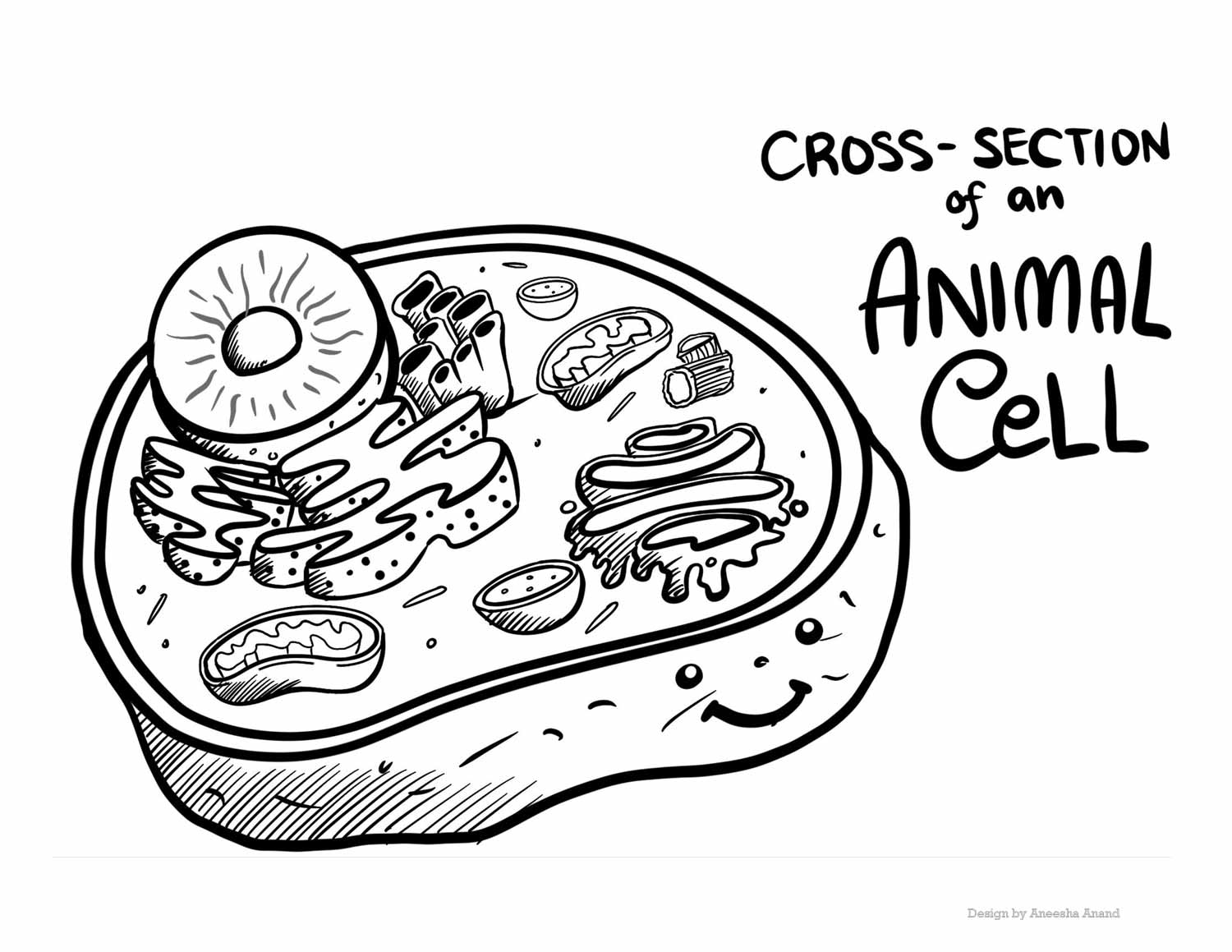
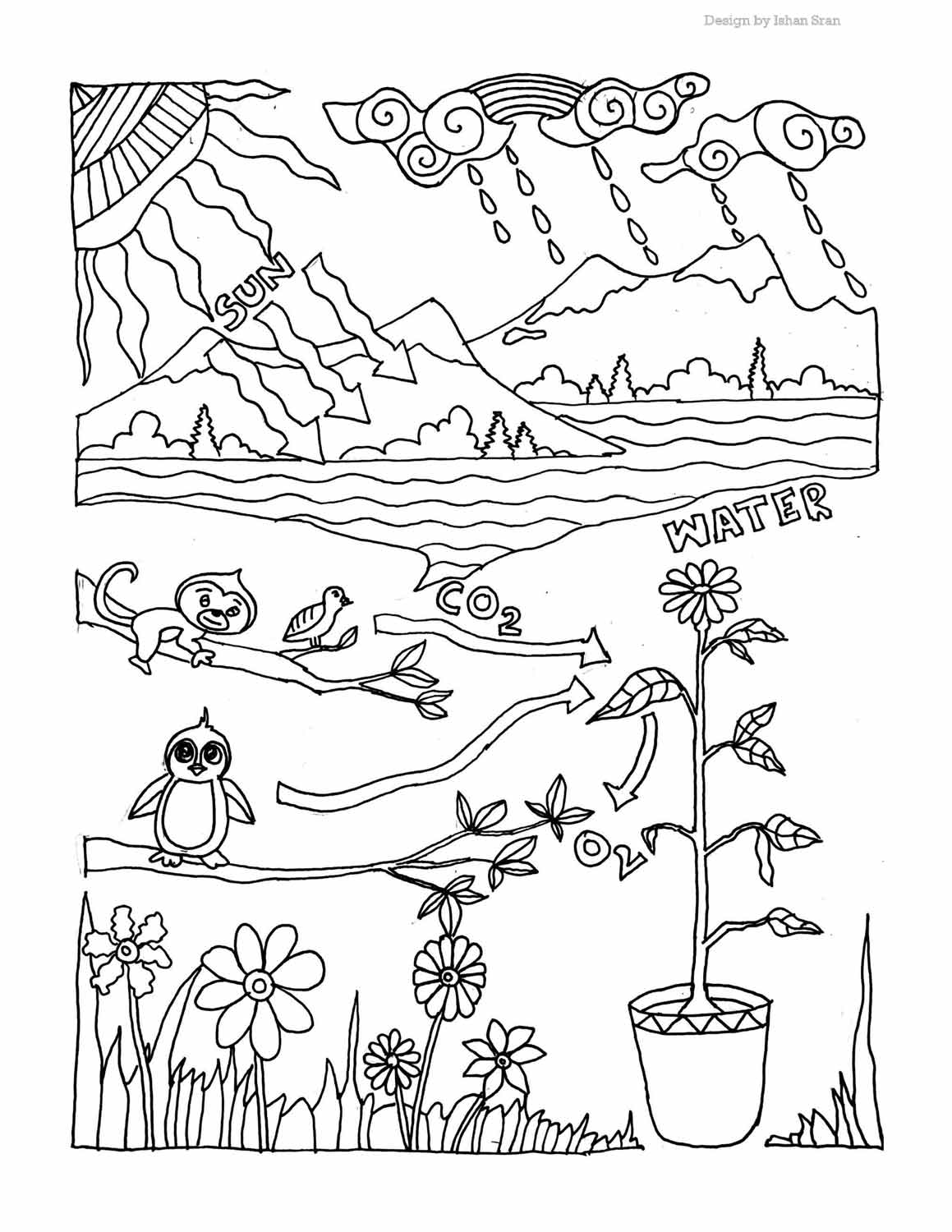
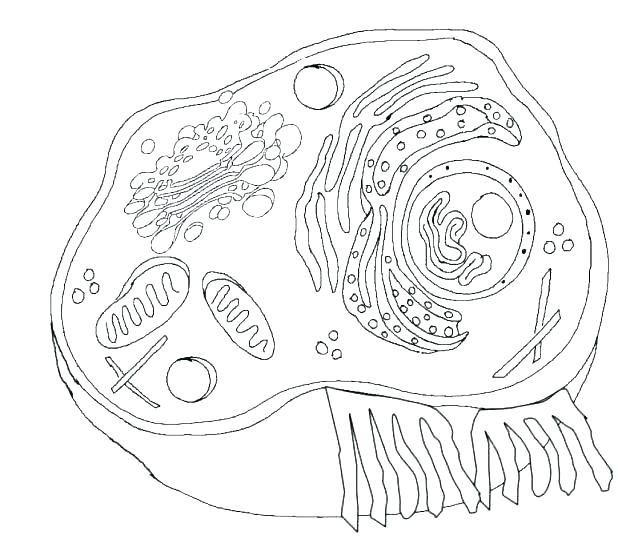
Biology Coloring Pages These coloring pages pertain to biology subjects like photosynthesis, evolution and Darwin, wearing a mask to fight COVID-19, and the animal cell. Category Biology Coloring Pages Best for Elementary Middle School Pre-K Materials Checklist Printed Coloring Pages Crayons, colored pencils etc. Animal Cell Download Coloring Page 1
Biology Coloring Pages - Coloring Home Biology Coloring Pages Download and print these Biology coloring pages for free. Biology coloring pages … 2
All Biology coloring pages are free and printable. You can also download or link directly to our Biology coloring books and coloring sheets … 3

Biology Coloring Pages at GetColorings.com | Free printable colorings pages to print and color 4

Coloring 5

Pin by Laura Smith on Life Sciences | Teaching biology, Anatomy coloring book, Anatomy coloring 6

Coloring Pages Biology - NEO Coloring 7

Biology Coloring Pages | Cells worksheet, Animal cells worksheet, Plant and animal cells 8

Big Kid Biology Coloring by Sunshine State Science | TpT 9
Biology Coloring Pages at GetColorings.com | Free printable colorings pages to print and color 10

Cellular Biology Coloring Page | Super coloring pages, Anatomy coloring book, Coloring books 11

Respiratory System Coloring Page | Anatomy coloring book, Teaching biology, Coloring books 12
Biology Coloring Pages at GetColorings.com | Free printable colorings pages to print and color 13
Biology: Coloring Pages & Books - 100% FREE and printable! 14
Big Kid Biology Coloring by Sunshine State Science | TpT 15
5 Best Images of Biology Coloring Printables - Spongebob Coloring Pages Print Out, Biology 16

DNA and Histones Coloring Page | Biology art, Coloring pages, Dna drawing 17
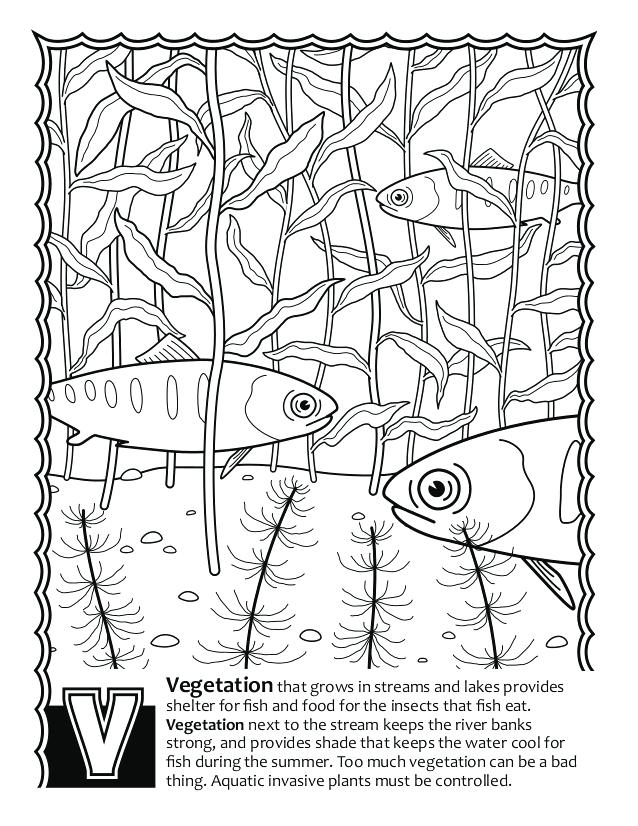
Biology Coloring Pages at GetDrawings | Free download 18
Biology Vector Doodles Stock Vector Art & More Images of Bacterium 579433608 | iStock 19

Mitochondria and Chloroplast Coloring | Mitochondria diagram, Color worksheets, Biology 20

Biology L Answers Lesson 68 coloring page – Easy Peasy All-in-One Homeschool 21
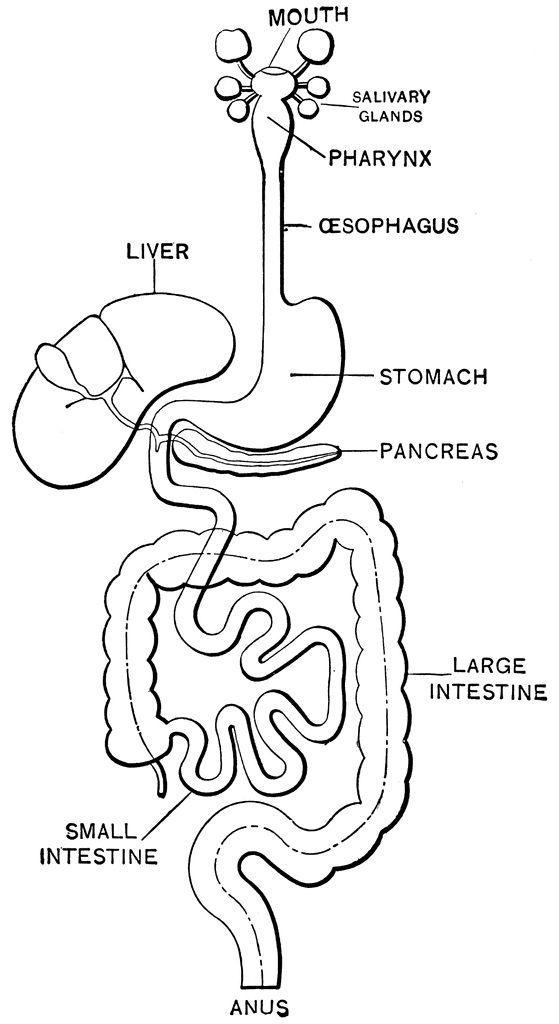
Biology: Coloring Pages & Books - 100% FREE and printable! 22
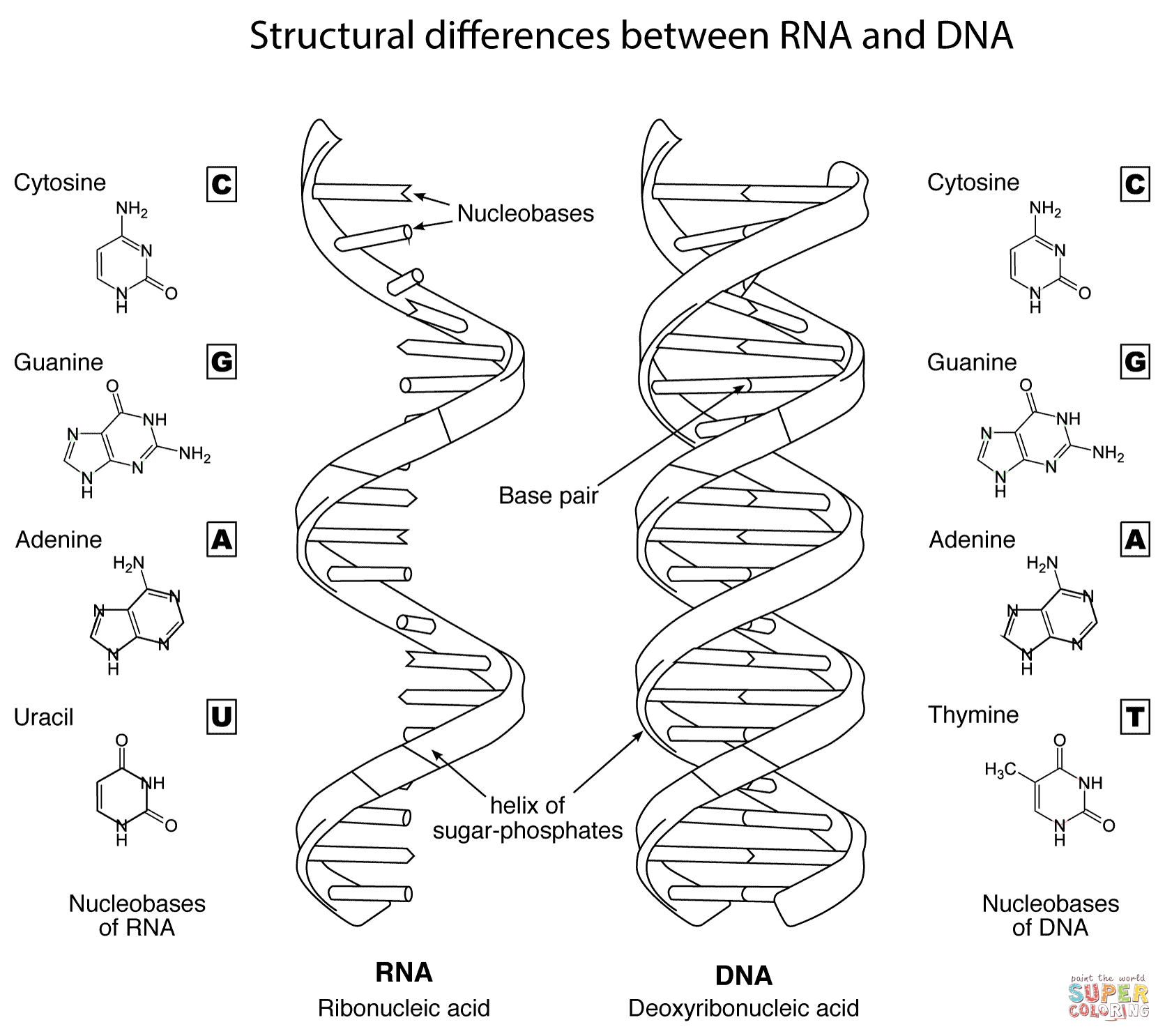
Biology Coloring Pages at GetColorings.com | Free printable colorings pages to print and color 23

Coloring Pages Biology - NEO Coloring 24
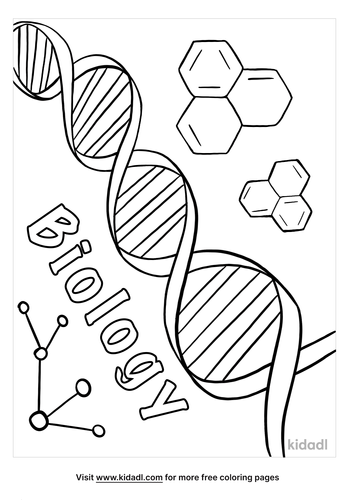
Biology Coloring Pages | Free Science Coloring Pages | Kidadl 25
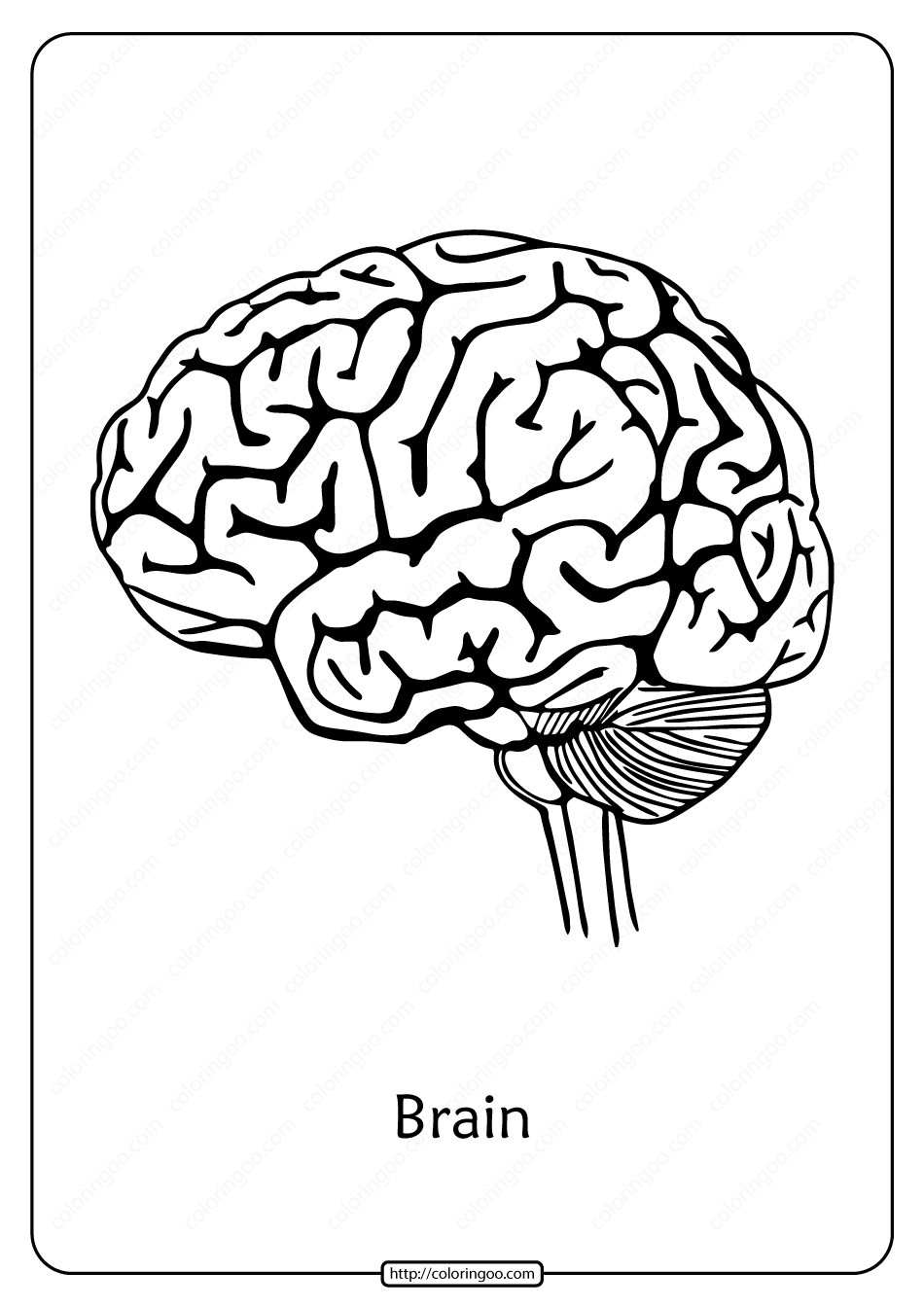
Free Printable Biology Outline Pdf Coloring Page 26

Biology Coloring Pages - NEO Coloring 27

Pin by Jane Doe on HBS. | Anatomy coloring book, Teaching biology, Coloring pages 28

Resultado de imagem para biology coloring page | School equipment, Biology art, How to draw hands 29
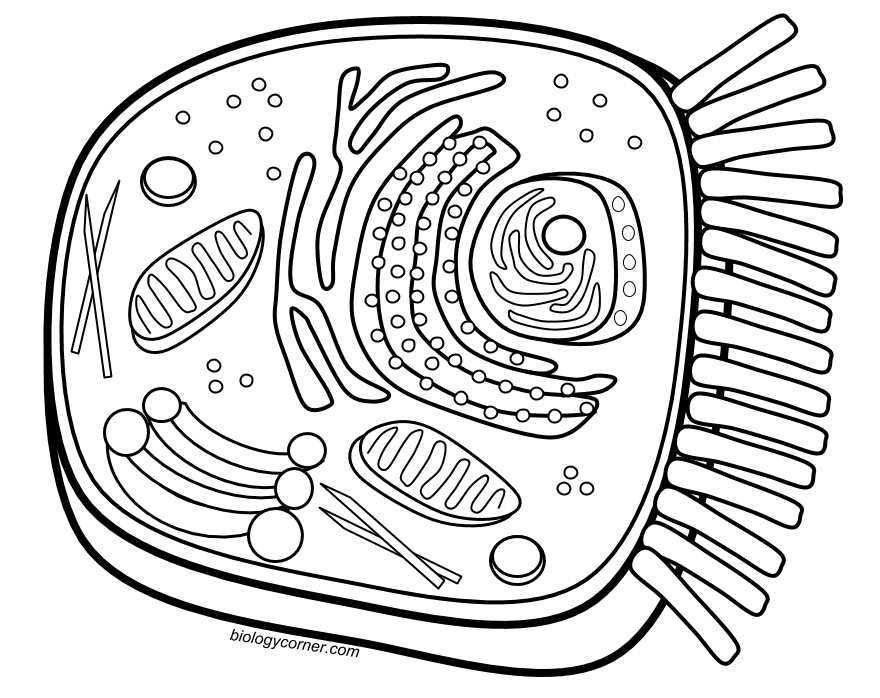
Animal Cell Coloring 30

Biology Coloring Pages at GetColorings.com | Free printable colorings pages to print and color 31
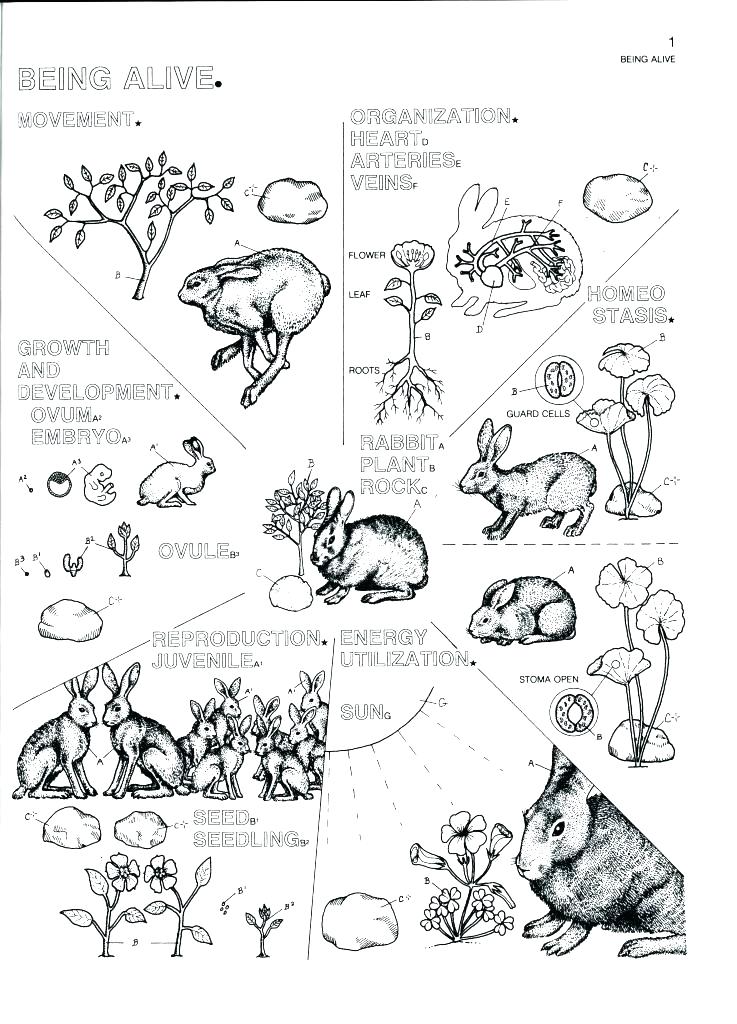
Biology Coloring Pages at GetColorings.com | Free printable colorings pages to print and color 32
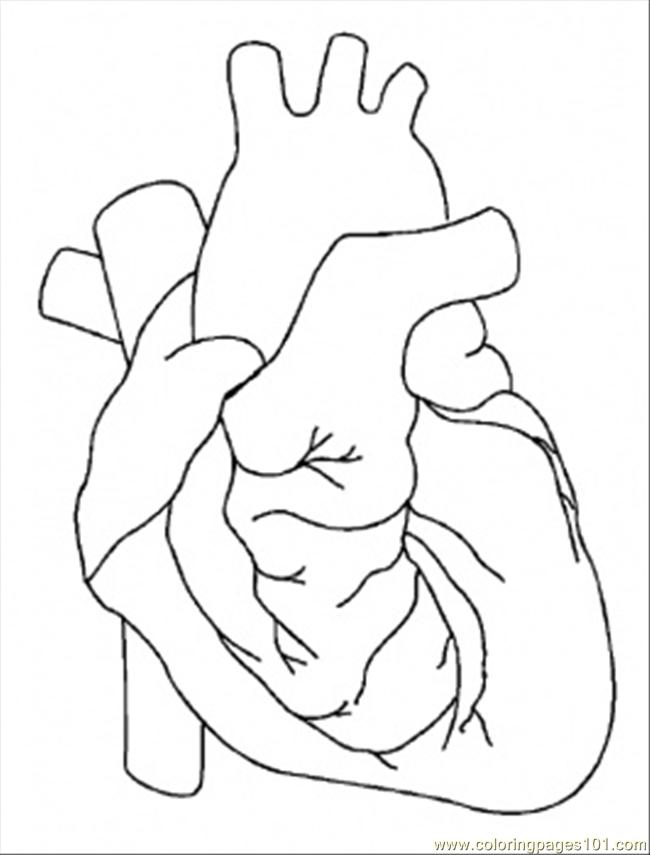
Biology: Coloring Pages & Books - 100% FREE and printable! 33
Download 257+ Science Education Biology Coloring Pages PNG PDF File 34
the spider that we're going to color, here is kind of like an average spider, it's not a particular species of spider, so if you were drawing a very particular, type of spider, you might find some variation but you're, basically going to find all these parts, and we're also going to be doing a, female spider because it says up here so, we're going to see a female part down, here that you wouldn't have in a male, and before we get started let's just, look at the drawing overall and notice, that we have one two body parts and if, you've already drawn an insect you know, they have three so what's missing but we, have an abdomen here just like we have, in the insect and this is sort of like, the thorax and the head all put into one, and so we called these cephalo thorax, and that words written right up here, cephalo means head and then we have, thorax and we have the legs coming off, of the cephalothorax kind of where the, thorax would be an insect and so here, you see these dotted lines these are, where the legs would be coming off in, the front view we've kind of sliced the, spider in half down the middle so we, still have the legs on the backside, hanging off but we slice off the front, ones and this is where they would be, attached so let's look at a leg I've, drawn you a complete leg up here and, let's compare it to a human leg because, we're going to see a lot of words there, so on so here we have a human leg and, let's see what looks a little bit the, same well we kind of a knee area up here, like this as if this were the kneecap, right here and we have this is kind of, like this and this would be a little bit, like that and then when we get down to, here this would be kind of like some of, the foot bones, the claw down here might be like the, toes and so we're going to borrow the, words we use for these bones and apply, them to a spider leg but of course the, spider doesn't have bones but we're, going to use the bone words to label, these parts okay so the first one we, have is the femur and on a human this is, the femur right here your thigh bone and, on a spider leg we'd have it here now, you can write it on this one or you can, also write it on one of these legs here, as well, and I'm using a nice fine drawing pen, you can use a pencil if you want to and, I'm going to also use this to draw in my, eye so I want a nice dark black now if, you've done an insect drawing already, you know that an insect does not have, anything right here it goes from the, femur to the tibia but in the spider we, have a piece it reminds us a little bit, of how there's a kneecap here we call, the kneecap the patella so we're going, to borrow the word patella and we're, going to call this little joint thing, here the patella p.a tele2 can label, just one of these you don't have to do, both and then this would be the tibia, and that would be like this bone right, here t.i, be I a, now the next segment is the metatarsus m, e ta ta RS us and in the human foot it, would be these and these would be the, tarsals and metatarsals but oddly enough, and the spider we put the metatarsus, first and then the Tarsus so this little, one here would be Tarsus ta RSUs, dar s us, and then the claw at the bottom Koha our, claws depending on the spider, they might look a little bit different, on the different species and then here, we have just like in an insect we have a, trochanter t ro ch8 and ter and then, this joint is the of CE o ex pay, and then they're very similar to the, insect and then the other piece of, external anatomy you want to do right, now is the eyes and I already have, written here eight simple eyes not, compound so an insect you have all those, little facets if you look up close at an, insect eye it looks like a whole bunch, of little tiny dots little lenses but in, a spider we don't see that here's an, up-close of a spider eye and you can see, it does not look like it's made up of, lots of little tiny individual lenses, it's just one big glassy black thing and, how many do they have all this one's got, one two three four five six seven eight, this one also one two three four five, six seven eight now some of them have a, few more or a few less eight is kind of, average so we're going to go with that, that's easy to remember eight legs the, eyes number eight is easy to remember, and there are different arrangements so, they can be spread out or clumped, together there's so different species of, spiders might have their eyes arranged, differently we're going to kind of go, with something like this here that or, maybe this and so you could make this, different if you want to but what I'm, gonna do is draw let's go to zoom in, here so you can see I'm gonna draw two, here and then two kind of looking like, they're coming out these will be, kind of in perspective a little bit and, I'll have one here and one here now I'm, going to show you something tricky you, can do to make the eye look like it's, real do you see how there's a little, white dot here and all the eyes that's, what makes them look glassy and shiny, it's that white area so I'm going to, leave a white spot I think I'll circle, it first, draw a little circle same place on both, of them and then leave that white and, just color all around, and that kind of makes it look like it's, actually shiny now this piece here this, little flap we see here it's kind of, like we left a little bit of the, exoskeleton coming here and we snipped, here - that's the snip line you snipped, here and then the rest of it is just cut, so we kind of see the outside shell, right here and then one other thing we, need to add you see this little space, here this is where we're going to put, the palp, or the pedipalps and so you've got this, little it's like a little finger sort of, make little sections going down here, like this label help PLP we'll put some, hairs on it and that's what the spider, will use to help bring things into its, mouth really is like having little, fingers next to your mouth, now we're ready to do the interior I'm, going to show you a picture of actually, what it might look like somebody cut a, spider and I don't know if this is, stained at all but you can see it's kind, of a big bunch of mush and you go what, in the world is all that stuff so that's, why we're going to use colors to, represent things so spiders aren't, really orange and blue and pink and, green but in our diagram the colors will, really help us to see the different, parts so let's start with the nervous, system because it connects to the eyes, here we just did the eyes and you see, these little little tiny things leading, up here well they will go up under and, connect to the eyes so I'm going to use, kind of a purple color I don't know why, but to me nervous system things are, always kind of purplish or purplish pink, but you can use a different color you, can use whatever color you want to as, long as you put that color into the, color code down here there's a box down, here that says nervous system and you, want to use that color to fill in the, box and then you know wherever that, color is that's the nervous system so, the nervous system goes behind this, thing you see it kind of it's gonna be, on the bottom layer here Pat behind here, then it goes behind these things also, now it kind of has some places where it, just stops like that goes off this is, for you to fill in some extra branches, going off because the nerves will come, off this main area this is kind of like, the brain and the nerves will connect to, well just about everything some nerves, will go to the palp and this will be the, venom gland some nerves go to there, nerves are going to go out attached to, the legs down here nerves, and then they would some home before you, run out here too but don't worry about, that at least if we just get the nerves, running out to the legs and then back, here we'll make some of the nerves, running out and up even maybe behind, here a little bit up into here the darts, would just reach out everywhere but if, we drew all the nerves it would kind of, make it drawing a little too busy so, just something like that's okay and then, we could go ahead and label this main, area here number one and that's why I'm, using a nice pen it's gonna go on top of, the pencil real well but if you have a, black pencil that'll work too and label, that one and that down here says brain, now it's a simple brain nothing like, yours but it's just complex enough to be, able to control the spider's behavior to, a substantial degree it has to decide, when and where to spin a web you know, has to be able to see and feel in fact, we could go ahead and put some hairs on, here they the hairs on the spider's leg, actually are a little bit different from, an insects, if you did the insect drawing already, you know we put some hairs on that, button in here now you don't have to, draw this I'm just going to show you the, hairs on the spider's leg they kind of, they kind of like go down like into a, little pocket sort of there's a special, attachment area that's even more, sensitive than on an insect so the, spider really really relies on its sense, of feel because its eyes really aren't, that good these they see light and dark, very well and maybe vaguely some kind of, image of a shape so when the spider, looks at you it's not really seeing you, it's seeing this big blur basically but, it can feel really really well and it's, hairs, can tell it a lot of information when, something hits the web it can feel what, size the object is it can tell very very, accurately whether it's a tiny gnat, whether it's a big bee that just got, trapped you can also tell the difference, between a spider walking on an insect it, will know if it's a spider of the same, species although it still might eat it, it can tell if it's dangerous if it's if, you touch a spiderweb with your finger, probably the spider is going to freak, out and run away it's not going to come, out to eat your finger because it can, tell wow that was a dangerous tap that, was too much and it's going to go run, and hide so it's hares sense of feel is, the primary sense so the nervous system, would actually be attached to all these, little hairs but that's ridiculous to, try to draw that so we're just gonna say, alright we know we know it's got hairs, but you also know they're attached, nervous system let's see next let's do, the digestive system I'm going to use, orange and a while but digestive system, just seems orange to me doesn't matter, what color you use as long as we go down, here into this box and only color, whatever color you're using make the, digestive system that color and if we, start actually I've started here but, it'd be better if you find the mouth now, not this Fang thing would you go back, here not the leg there's a little place, right here and pencil is that's the, mouth area so that's the beginning of, the digestive system this would be like, what the equivalent of the throat the, pharynx, like this so this would be sort of a, little stomach right here and then down, into here would be the esophagus which, actually goes to another stomach we, could see in an ant we have several, stomachs and here in the spider we also, have several stomachs the way that an, ant does the spider does not have a crop, and then we go all the way back here to, see this little thing pouch, crackle pouch and then out now along the, way we have these little funny things, they're also part of the digestive, system so we'll color them, these are little they're storage pouches, they can get much much larger and they, also have digestive enzymes they're also, producing the little enzymes that break, down and digest the food so you do both, jobs and if we go back up here you, notice we missed some things up here, we've got these pouches if you follow, along just like your coloring this maze, here just keep following along goes up, like this and there's one behind and, then there are these things down here, and these go to the leg areas you can, see one two three four we're going right, down to where the legs are and this is, actually to deliver food to the legs the, stomach has little side pouches that go, over to the legs so all the good sugars, that you need for energy to move muscles, they can go down right there to the legs, kind of a strange system so let's label, some of these parts I'm going to use my, black and we'll talk about them again so, we label them so number two is the, pharynx you can write it right on there, or next to it on the side either way, that's is a number to pharynx is the, fancy word for throat so I go back here, and we have a number three the sucking, stomach zoom in there's this right here, and as the name suggests a sucking, stomach can suck you would actually have, muscles around here that can make this, open and close it can squeeze it shut, open shut open shut and when it does, that when it expands it creates a vacuum, and it sucks this way and then when the, muscles contract and press the fluids in, here are going to travel out now why, does it have a sucking stomach well you, may know that it after it paralyzes its, food source let's say it's going to eat, a fly that comes along it's going to use, the venom to paralyze the fly and then, it's going to squeeze out juices from, here actually back from here to there's, some digestive enzymes back here they're, going to come up into here and and maybe, from this pouch it's going to squeeze, out these digestive juices out here it's, kind of like spitting and the digestive, juices are actually going to come out, and cover the thing that it's trying to, eat or maybe even go into it if it's, punctured a hole it maybe will just spit, these enzymes right into the insides of, that fly or whatever it's eating and, then the enzymes will go to work and, break down the food it'll break down the, insides of the fly and the fly insides, will kind of turn to soup and then the, sucking stomach reverses and this, becomes a sucking - instead of a, spitting tube and, it sucks those liquid insides back in, and then it can kind of swallow them and, then maybe a second round it'll spit, some more enzymes out digest digest, digest and then it'll turn the stomach, the other way you know suck and it'll, suck more liquid insect parts in so, they're still more digesting to be done, then once the liquid insect comes in, here there's still more digesting that, goes on and they'll say let's label for, the at the intestine so this might be, considered the intestine down here this, thing it doesn't have intestines like, ours it doesn't look the same it's just, kind of a pipe and then that goes down, to the digesting stomach number five, and then these things are all digestive, pouches called Sica and you might label, up maybe I'll just label this down here, number six you can label them all number, six if you want or you can just label, one and we understand they're all like, that, and again they contain tiny digestive, glands but also serve as storage pouches, now it's interesting to note right this, point here I'll point you out to this, note up here it says the exoskeleton, around the abdomen that be this layer, right here is much softer than the, exoskeleton here around the, cephalothorax so this is tough and this, is much softer and the reason is that, this can stretch a little bit when the, spider gets a really big meal all these, things in this area can get really large, it would fill up this area and they, would stretch and the abdomen could get, much much larger and that way can store, the food for a while because maybe it, might not get a meal every day so this, is the way it can store it and then this, pouch right back here what's called the, cloaca pouch number seven and it stores, wastes and this will kind of be a little, bit maybe like your large intestine your, colon the last part of your large, intestine and that would be where all, the wastes get stored up and then the, exit would be right here and it's called, the anus just like in other animals you, also see the word Klawock I showing up, with birds and anytime you see cloaca or, Clos Akal that kind of means basically, that the urine and feces are all, combined they're not separated you know, in mammals we have a separate exit for, the solid waste and we have a separate, exit for our liquid waste but in the, spider here we just have one exit and, this just kind of stores everything, now let's do the heart next this giant, thing up here is gonna be our heart area, I'm going to use red just because to me, heart seems red so I'm gonna color in my, key down here you don't have to use red, you can use something else just as long, as you note it in the key there and, we've seen something like this in the, ant you happen to do the ant drawing, insects of something similar so here we, see it much larger it's basically a tube, it's not a chambered heart like we see, in mammals or even reptiles it's very, very simple it's just a tube of muscle, but it pumps the fluid around of course, the blood is not red I'm coloring it red, just because this is a diagram and we, have to make it some color but they do, not have red blood actually if you, squished a spider the juice would, probably look kind of greenish blue, because the fluid in here that sloshes, around is very watery it's not blood, it's called hemolymph but it does, contain a molecule that carries oxygen, and our bodies we have hemoglobin which, is red so our little the molecules, inside our red blood cells contain iron, which gives it a red color and so our, blood is red in the spider we have a, little molecule that is based not on, iron but on copper and so it gives it a, kind of greenish blue color when it, hooks up with oxygen when it oxidizes, now copper like if you see a penny, coppers that nice kind of brownish, goldish color but when it combines with, oxygen it turns kind of a greenish blue, you ever seen copper things tarnish, you'll know that's true okay so we have, a little vessel coming off of the heart, tube that goes up here flowing here and, then you can kind of continue, this on like this extend the vessels a, little bit now down here don't color, this red this is going to be the area, that intakes oxygen and I'm going to, just choose a blue and it's right here, book lungs the first box the second, column there it says book lungs and, they're called book lungs because it, looks like they have pages like a book, so we're just gonna make some lines like, this and this is a little bit like the, gills and a fish the purpose of the, gills is to provide a lot of surface, area that can come into contact with, oxygen and so here we are the same thing, we have we have all these little flaps, so they're they're long they're not, sticks they're like whole flat page, imagine pages in a book and those are, the side of each page can contact the, air so the side of this page and the, side of this page in this page so if you, imagine all those pages laid out on a, table that's how much surface area the, book long would provide so if it didn't, have these pages you just have this much, area right here but every one of these, pages adds a lot of surface area and, that way a lot of oxygen can be taken in, now most spiders or at least some, spiders have another way to take an, oxygen right back here you see this, little thing right in here they have a, tracheal tube so turn this into a tube, bring it in and if you've done the ant, drawing already you'll know they have, live little holes called spiracles so, just kind of bring this tube in and, branch it off a little bit, point to it and I'm gonna say tracheal, tube so oxygen can go into there as well, very much like it does in an insect and, some spiders might rely on that a little, bit more like I don't know maybe a water, spider that maybe comes to the surface, it could put his abdomen up and collect, air in something like that, so some spiders have these some don't, but I thought we should go ahead and put, it in because a lot of them do and then, we could label this other slit right, here this is the you can actually see, this slit on the bottom side of a spider, this is like I call it the long slit, goes into the book lungs so you can, actually see I'm not sure you can see, this is pretty tiny but you should be, able to see these on the bottom side of, a spider so let's just finish these up, right now and I'm going to use a dark, blue for my malpighian tubules and, they're called malpighian because the, guy that discovered these was Italian, gentleman his last name was Mel Piggy, so we called him malpighian and they are, right here this is very much like the, ant drawing, where we have these tubes going out, they're kind of out in the body cavity, like this and then they come down here, and connect so these are on top of and, around this whole stomach area and then, they attach here and what they're doing, is bringing in waste so they would be, collecting tiny bits of waste little, molecules I'm gonna make my silk glands, yellow down Mikey could make him another, color and the best way to find them is, kind of look for the openings out here, and there's not this middle one but, there's two little openings that lead, into these glands take a minute and look, carefully and then once you find them, it's kind of obvious go the other they, are and they would lead back into these, now these are very much simplified silk, glands can be very complicated you can, have different kinds of silk glands and, you gland can make different kinds of, silk some silk is stronger or thinner or, stickier not so sticky so there's a, whole branch of science practically that, studies these silk glands, it's amazing the silk is stronger than, steel for its size so if you had a piece, of spider silk from a spider web and you, could enlarge it to be the size of a, rope a pretty good sized rope it would, be stronger than a steel cable that size, and in fact they say you could do, something like stop a jet airplane from, taking off if you had a piece of spider, silk as big as a rope you could hold a, jet airplane that's pretty amazing and, this little bump here where the silk, actually comes out this little thing is, called a spinner rat with two ends, spi n n BRE T so here we have two, spinnerets on here and one there but I, just labeled this one then before we, leave the abdomen we're going to do this, area and these and this is the ovary we, can just label this nine and this little, thing down here is number eight and that, is a pouch for storing sperm so the male, spider comes over and basically hand is, like with his help Sarah's arms hands a, little packet of sperm cells which are, necessary to join with the egg you want, to make a baby spider you need some, cells from the male and so he says here, would you like to have these cells so, you can fertilize your eggs and the, female would say sure but where do I, keep them I'm not planning on laying, eggs until two weeks from now and you're, trying to give me this little sperm, packet now well hey she's got a pocket, so she can tuck those little sperm, packets right in here into this little, pocket and it just acts like a little, pocket and then they can sit there and, she can store it and then when she gets, around to laying eggs she can combine, them with the little sperm cells that, are waiting there in the pocket and then, the eggs will turn into baby spiders so, to make this look like eggs here's a, very easy thing to do just make lots of, little letter C's you don't have to draw, little circles even letter C's will be, good enough as long as your C's are all, going the same way and it'll just look, like a big lumpy thing full something, round with your eggs like that, and so this would be the place where the, eggs come out here where eggs come out, and then we're going to slide up here, and what haven't we done here the most, exciting part of the spider the venom, gland and just gonna close it on off, like that and so this would be the Fang, of course we only see one here sliced in, half so the venom is what's used to, paralyze or kill the prey and then, digestive juices here coming out here, are used to digest it so we have two, different chemicals being pumped into, its prey one to paralyze it one to, digest it now there's one last thing we, haven't done the first thing over here, on a chart the muscles now it's very, unusual to find muscles drawn in on, these diagrams this is usually what you, see and that's it but I want us to put, in some muscles I'm going to use Brown, but used any frown yet so we don't know, exactly where they would go I don't have, any diagrams to work from but let's just, put some Brown stripes back here you, know there would be lots of muscles, going into the legs obviously because, the legs have to move but there would be, muscles in around the Fang it has to, move and the Pope would have them there, might be some muscles well we can't, really see under here but the back, there'd be muscles going to these legs, don't draw in too many just real lightly, you don't have to color the whole thing, in there would be muscles around the, sucking stomach, here are my legs I know we don't want to, cover over this nice nerves that we drew, careful to cover them over and back here, we might have some muscles the abdomen, could move we wouldn't have as many, muscles back here as to what needs, muscles the ovary the lungs not too much, we might have some very very small, microscopic muscles like for the, squeezing back in here to squeeze out, silk we would have some muscles helping, to control the movement with spinner but, it's around and of course we'd have, muscles around this tube here you'd have, muscles probably going this way in that, way we don't want to create a mess here, just to suggest it just so we know, they're there that's a muscular tube, and then if you want to do some more, research and add something else you're, welcome to you can want to add some more, hairs but that's the basics that you, need to know
Reddit Images 47
Just finished another page of the coloring book. Page 6… I believe 0
page coloring for ch 171. 1

Konomi coloring by @Shazayumart (chapter 93 cover page) 2
![[No Spoilers] Digitally colored the cover page (not the actual cover of the book itself) of the Life Is Strange coloring book](https://i.redd.it/cdncsa6chuu91.jpg)
[No Spoilers] Digitally colored the cover page (not the actual cover of the book itself) of the Life Is Strange coloring book 3
![[Other] who is this villain on my son’s coloring page? It’s driving me nuts!](https://i.redd.it/ihia4i1szvi91.jpg)
[Other] who is this villain on my son’s coloring page? It’s driving me nuts! 4
First page of the coloring book done! Any thoughts? 5
Randomly coloring one page of my coloring book 6
{Artwork} Finally finished working on the coloring of this mask-less Spider-Gwen. It's about 98% pencils, with 2% of it in gel pen. It's a page from Marvel's WOMEN OF POWER coloring book, w/original art by Emanuela Lupacchino from Spider-Gwen Vol 2 #6 (Cover B Variant). 7
My coloring of the cover page for Ch. 159 8

This took SO many hours and it isn't even technically the first page... Maybe I should have picked something easier for my first time trying adult coloring, but I've always been ambitious. 9

So apparently there's a whole Reddit page dedicated to transmen aka biological women, thinking they compare in anyway to the sexual anatomy of seahorses by getting pregnant, while on hormon treatment. 10
Colored a page in my Horror Coloring Book (with colored pencils)! Available on Amazon + 5 Free Downloadable Coloring Pages 💀 See links in comments, thank you! 11

I TRIED to colour this Melanie Martinez coloring book page.I'll do more of these. 12
I colored an Empires-themed page from the latest Hermits and Friends Coloring Book 13
coloring page! 14
HEAT 2 - coloring page 15
,


Comments
Post a Comment