84 chemical bonding coloring page answers
chemical bonding coloring page answers

Ionic And Covalent Bonds Coloring Worksheet Answers - Worksheetpedia 0

This Chemical Bond set includes the words: atom, molecule, covalent bond, ionic bond, hydrogen bond, and metallic bond. Coloring pages have recently become a huge hit all over the world. In … 1

Finding number of atoms in a chemical formula. Grade/level: 8. by sriram. Quiz 5.7 (II) PROPERTIES OF IONIC AND COVALENT COMPOUNDS. Grade/level: FORM 4. by ANNE_ELARD. Year 9 Unit 6 … 2
Which of the above compounds will form a hydrogen bond with water easily and be more soluble in it. Answer. (a) Since the NO 2 and OH groups in compound (I) are close together, intramolecular … 3
Chemical bonding crossword worksheet answers Chemical bonding crossword answer this crossword clue bonding and binding words was discovered last seen in the january 27 2022 at … 4

Chemical Structures Coloring Book 2 By Sonya Writes, Paperback | Barnes & Noble® www.barnesandnoble.com Chemical Bonding Worksheet Homeschooldressage.com - … 5

Chemistry Scavenger Hunt (pdf)-Links for students can be found on the Kid Zone Archive document. Periodic Tables Online (pdf) - A worksheet I use to review the basics of the periodic … 6
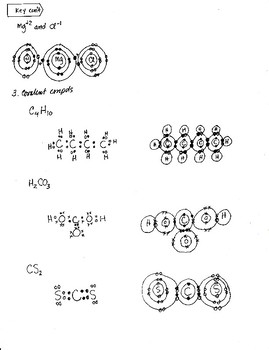
Answer. Choice A. Answer. Choice B. Answer. Choice C. 1. Al + O2→ Al2O3. 2Al + O2→ Al2O3. Color BLUE. 2Al + 3O2→ 2Al2O3. Color YELLOW. 4Al +... 7

Chapter review chemical bonding answer the following questions in space provided pdf free types of worksheet coloring lol doll sheets vehicle christmas for toddlers horse printable dragon to … 8

Chemical bonding coloring page answers Make a fun coloring book out of family photos with photography blog Fototiller's simple three-step tutorial. All you need is Photoshop (or similar), a … 9
Ionic And Covalent Bonds Coloring Worksheet - malayfere 10

Chemical Bonding Chemistry Doodle Diagrams | Store - Science and Math with Mrs. Lau 11

Chemical Structures Coloring Book | Coloring books, Coloring book download, Chemical structure 12
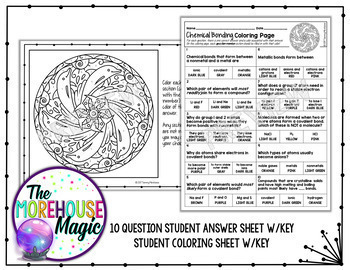
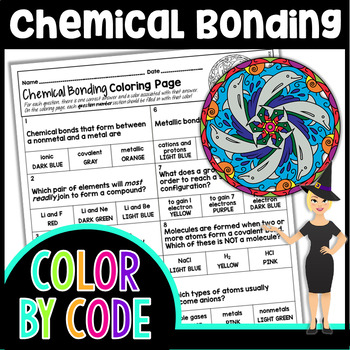
CHEMICAL BONDING SCIENCE COLOR BY NUMBER, QUIZ by The Morehouse Magic 13

Ionic & Covalent Bonds Color-by-Number | Ionic and covalent bonds, Covalent bonding, Ionic 14

Ionic & Covalent Bonds Color-by-Number by Science Chick | TpT 15
Chemical Bonding Worksheet by Biology Buff | Teachers Pay Teachers 16

Chemical Bonding Coloring Page Answers - Coloring Walls 17

Chemical Bonding Worksheet by Biology Buff | Teachers Pay Teachers 18

Answer Key Chemical Bonding Worksheet - Thekidsworksheet 19

Drawing Ionic Bonds Worksheet - worksheet 20
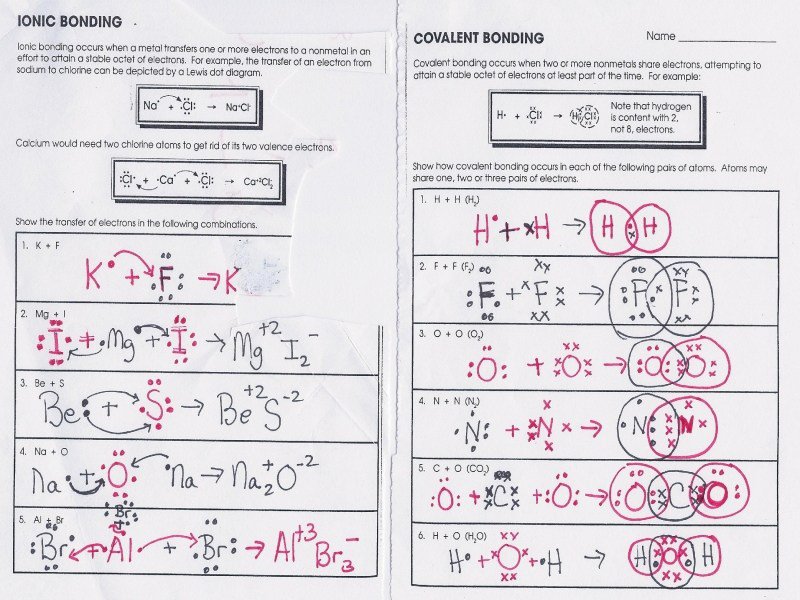
Ionic Bonding Worksheet Answer Key - Worksheet List 21
31 Covalent Bonding Worksheet Answers Chemistry If8766 - support worksheet 22

30 Chemical Bonding Activity Worksheet | Worksheet From Home 23

Ionic Vs. Covalent Bonding Coloring Worksheet...My chemistry students glued them into their 24

Drawing Ionic Bonds Worksheet - worksheet 25
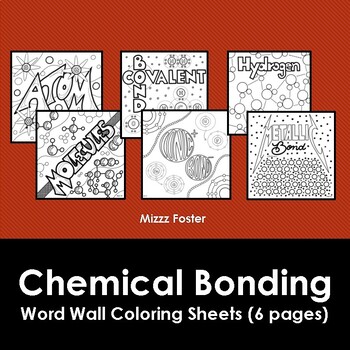
Chemical Bonding w/t Atom and Molecule ELL / ESL Word Wall Coloring Sheets 26

free chemistry, science color pages :D | Chemistry classroom, Chemistry education, Science chemistry 27

Ionic Bonding Worksheet Answers Chemistry If8766 - Vegan Divas NYC 28
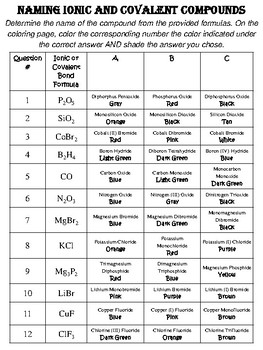
Naming Ionic and Covalent Compounds *COLOR-BY-NUMBER* Activity | TpT 29

Ionic Bonding Puzzle And Periodic Table Coloring Answers - NEO Coloring 30
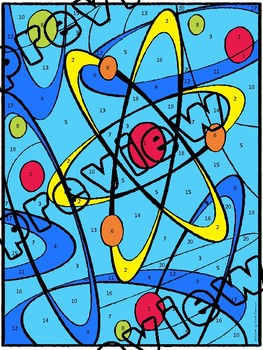
Chemical Bonding Coloring Page Answers - Coloring Walls 31

Chemical Bonding Ionic And Covalent Worksheet Pdf - Vegan Divas NYC 32

Ionic Compound Review Worksheet Answer Key - Vegan Divas NYC 33

Ionic Bonding Worksheet Answers Front And Back - Thekidsworksheet 34
in this video we're going to discuss the, difference between ionic and covalent, bonding, in ionic bonding, electrons are transferred from one, element to another and typically ionic, bonds contain ions, in a covalent bond electrons are shared, but let's go over ionic bonding first, let's consider the reaction between an, atom of sodium and an atom of chlorine, sodium, as an atom has one valence electron, if you look where it is in the periodic, table it's in the first column it's in, group 1a, of the periodic table and elements in, that group all contain one valence, electron, a valence electron is simply the, electrons in the last, or outermost energy level, chlorine which is a halogen, contains, seven valence electrons it's in group 7a, of the periodic table, the halogens are very reactive, non-metals, and the alkali metals where sodium is, found, are very reactive metals metals like to, give away electrons and so they form, positively charged ions, non-metals they like to receive, electrons, and so they form negatively charged, anions, so sodium, is going to give chlorine, one of its electron or valence electron, since it only has one, so as sodium loses that one valence, electron, it's going to acquire a positive charge, and as chlorine gains, that electron, it requires a negative charge, now going back to physics, if you have two like charges next to, each other what's going to happen, like charges repel, they're going to feel an electric force, that repels them or pushes them away, from each other, but what's going to happen if you have a, positive, and a negative charge, next to each other, these two are attracted to each other, they feel a force of attraction that, pulls them together, and so that's what's happening between, the sodium ion and the chloride ion, the sodium ion which now has a net, positive charge is attracted to the, chloride ion which has a negative charge, and so these two they feel a force of, attraction, and that force of attraction that, electrostatic force, it binds them together and so that, creates the ionic bond, so keep this in mind, within ionic bonds you have a transfer, of electrons, and the bonds that hold them, are as a result of the electrostatic, forces between, opposite charges keep in mind opposite, charges attract each other, so now let's move on into covalent, bonding, let's look at hydrogen, a hydrogen atom has one valence electron, and, it's in the first row of the periodic, table, elements in the first row, they want to have a total of two, electrons in their outer energy level, the second row elements they want to, have eight electrons, so elements like oxygen fluorine they, want to satisfy their octet they want to, have eight electrons but hydrogen and, helium they can only have two electrons, in their first shell, so each of these hydrogens they need one, more electron to fill that first shell, with a total of two electrons, and both of these elements are the same, so what they're going to do is they're, going to share, their electrons, and so these two they're going to form a, bond, so when you see a bond this bond, represents the sharing of two, electrons and so this is a covalent bond, anytime you have sharing of electrons, it's a covalent bond, now there's two types of covalent bonds, you need to be familiar with, polar covalent bonds, and nonpolar covalent bonds, the bond between two hydrogen atoms is, considered to be a nonpolar covalent, bond the reason why it's nonpolar is, because the electrons are shared equally, between those two hydrogen atoms, now if you look at the bond between, hydrogen and fluorine, the elements are different, fluorine is much more electronegative, than hydrogen, because fluorine is electronegative, it's going to pull the electrons toward, itself, now granted, the electrons are still being shared but, they're being shared unequally, and whenever you have an unequal sharing, of electrons, you have a polar, covalent bond, as opposed to, a nonpolar, covalent bond, so because fluorine is more, electronegative, as it pulls the electrons toward itself, fluorine is going to acquire a partial, negative charge and hydrogen is going to, be partially positive, and whenever you have an object where, one side is positive and the other side, is negative, you have a dipole you have a polarized, object, and this is what it means to be polar, you have, an unequal distribution of, charge one side is positive one side is, negative so the electrons they're not, distributed evenly, in that molecule, the electrons spend more time closer to, fluorine because it's more, electronegative, electronegativity is the ability of an, atom, to, attract an electron toward itself and, fluorine it does a good job in doing, that, so now you know what a polar covalent, bond is, it's a bond where you have unequal, strand of electrons and a non-polar, covalent bond is a bond where you have, equal sharing of electrons, now let's go over some practice problems, i want you to classify, the following bonds, as being ionic, polar covalent or non-polar covalent, so let's start with the first one, mgo, magnesium oxide, is it ionic polar covalent or non-polar, covalent, the first thing i would look for is to, see if it's ionic, typically, an ionic compound consists of a metal, and a non-metal that's how you can, easily identify it, magnesium is a metal, metals exist on the left side of the, periodic table, nonmetals exist on the right side the, nonmetals are on the upper right side, the metals are on the lower left side, so magnesium, is a metal, and oxygen which is on the upper right, side of the periodic table that's a, nominal, so this is going to be ionic, magnesium, forms a plus two, charge as an ion, it has two valence electrons so in this, bond, it's going to give away two electrons to, oxygen, oxygen, which is a calcagen, magnesium is an alkaline earth metal, but oxygen, it has six valence electrons it needs, two more to get to eight so once it, acquires those two electrons it's going, to have a negative charge as you can see, this compound is composed of ions, now what about two chlorine atoms, chlorine is a nominal whenever you have, two nonmetals with the same type of, element, it's always going to be a nonpolar, covalent, the electrons are shared equally, because we have the same type of atom, now what about sodium fluoride, sodium is on the left side of the, periodic table so it's a metal, and fluorine is a halogen on the right, side so that's a non-metal so sodium, fluoride contains ionic bonding, now what about hbr, is it polar covalent, or nonpolar covalent, now the elements are different so that, could be an indication that it might be, polar covalent but you need to run a, test, you need to calculate the difference in, electronegativity, if the electronegativity difference, is equal to or greater than 0.5, most textbooks they use this number, if it's 0.5 or more then the bond is, considered to be polar covalent, if it's less than 0.5 if it's 0.4 or, less, then it's considered to be non-polar, covalent, so if you need the electronegativity, values you can go to google images, and type in, electronegativity table and you'll see, some tables come up, now i've seen different tables with, different values they don't very much, but sometimes they do vary, so if you're doing a homework problem, use whatever table your book gives you, in the table that i use, hydrogen, has an electronegativity value of 2.1, bromine it's about 2.8, and so the en difference, is 0.7, therefore this is going to be, polar, covalent i'm going to write pc for polar, covalent, now what about, iodine, monobromide, what is the difference in, electronegativity, iodine has, an electronegativity value of 2.5 and, for bromine 2.8, so the en difference, is about 0.3, which means that it's relatively, non-polar covalent so i'm going to write, unseen again make sure you use the table, that your book provides because if the, values are slightly different, the result might be different, but the idea is that you want to find, an ian difference of 0.5 or more to see, if it's polar or not, so let's try some more examples, determine if the following bonds, is polar covalent, non-polar covalent or ionic, so let's look at carbon and hydrogen, has an electronegativity value of 2.5, and for hydrogen is 2.1, so the en difference is 0.4, for this one i would commit this memory, anytime you see carbon hydrogen it's, going to be nonpolar, this is a very common example that, you'll see within chemistry and even, organic chemistry, now what about the oh bond, whenever hydrogen is bonded to oxygen, nitrogen or fluorine you have a special, case of bonding known as hydrogen bonds, whenever you have hydrogen bonds it's, going to be polar by the way, oxygen has an electronegativity value of, 3.5, so 3.5 minus 2.1 the difference is huge, so 1.4 this bond is very polar, so this is polar covalent, this is non-polar covalent, now if the two atoms are the same and, they're both not metals, it's going to be non-polar covalent you, don't really need to do the calculation, fluorine has an electronegativity value, of 4.0 4 minus 4 is 0 which is less than, 0.5, now calcium sulfide, for this you really don't need the, electronegativity values you just need, to know that calcium is a metal, and sulfur is a nominal, and then so you could say it's ionic, if you have one element all the way to, the left side of the periodic table and, another all the way to the right side, it's going to be ionic, so that is it for this video now you, understand the difference between ionic, and covalent bonding so thanks for, watching and have a great day
Reddit Images 67

Chemical Bonding Quiz - MCQ Questions with Answers 0

A firework requires three key components: an oxidizer, a fuel and a chemical mixture to produce the color. The oxidizer breaks the chemical bonds in the fuel, releasing all of the energy that’s stored in those bonds. To ignite this chemical reaction, all you need is a bit of fire. Happy 4th of July! 1
A firework requires three key components: an oxidizer, a fuel and a chemical mixture to produce the color. The oxidizer breaks the chemical bonds in the fuel, releasing all of the energy that’s stored in those bonds. To ignite this chemical reaction, all you need is a bit of fire. Happy 4th of July! 2
A firework requires three key components: an oxidizer, a fuel and a chemical mixture to produce the color. The oxidizer breaks the chemical bonds in the fuel, releasing all of the energy that’s stored in those bonds. To ignite this chemical reaction, all you need is a bit of fire. Happy 4th of July! 3

#vermincoloringbook by Brinn an My Chemical Romance Coloring Book. 4
I want a good detailed Video on Chemical Bonding for NEET 23. Is this video going to suffice for me? Suggest any other good vid if u know 5

60% of the oil consumed in the US is soybean oil. It causes obesity, anxiety, and destroys oxytocin, the bonding chemical. Is this one reason why so many people are fat and angry? 6
,


Comments
Post a Comment