10 antelope coloring page
antelope coloring page

Antelopes Coloring pages. Select from 62906 printable Coloring pages of cartoons, animals, nature, Bible and many more. 0
Download 133 Antelope Coloring Page Stock Illustrations, Vectors & Clipart for FREE or amazingly low rates! New users enjoy 60% OFF. 185,563,852 stock photos online. 1

Pronghorn North American Antelope coloring page | Free Printable Coloring Pages 2

coloring-pages.io Animals Antelope Coloring Pages. Antelope Coloring Pages. Help your child recognize the Antelope and color the Antelope beautifully! Animals. 5 / 5 Gorgeous. 1. 5. … 3

You can Download, Favorites, Color online and Print these Antelope for free. You want to see all of these related coloring pages, please click here: Animals coloring pages. Format: png. … 4

Antelope Coloring Pages. You can download free printable Antelope coloring pages at Coloringonly.com. We have chosen the best Antelope coloring pages which you can … 5
Check out Printable Antelope Coloring Page to see all our adorable Antelope Pictures. Printable Tree coloring pages are high-resolution printable PDFs. There lots of Antelope images that will … 6

Springbok Antelope coloring page | Free Printable Coloring Pages 7

Mar 05, 2022 · Antelope Coloring Page For Kids A cute and funny coloring page of an antelope. provides hours of coloring fun for children. to color, this page is very easy. suitable … 8

Free printable Antelope coloring page for kids and adults. Discover more coloring pages containing over 20,000 images. 9
Addax Antelope Coloring Page - Free Coloring Pages Online 10

cool Looking Antelope Coloring Page | Animal coloring pages, Dog coloring page, Cat coloring page 11

Download 216+ Antelope Coloring Pages PNG PDF File - Download Free Fonts - Free Download Mini 12
Antelope – Animals Coloring Book Pages Sheets – Kids Time Fun Places to Visit and Free Coloring 13
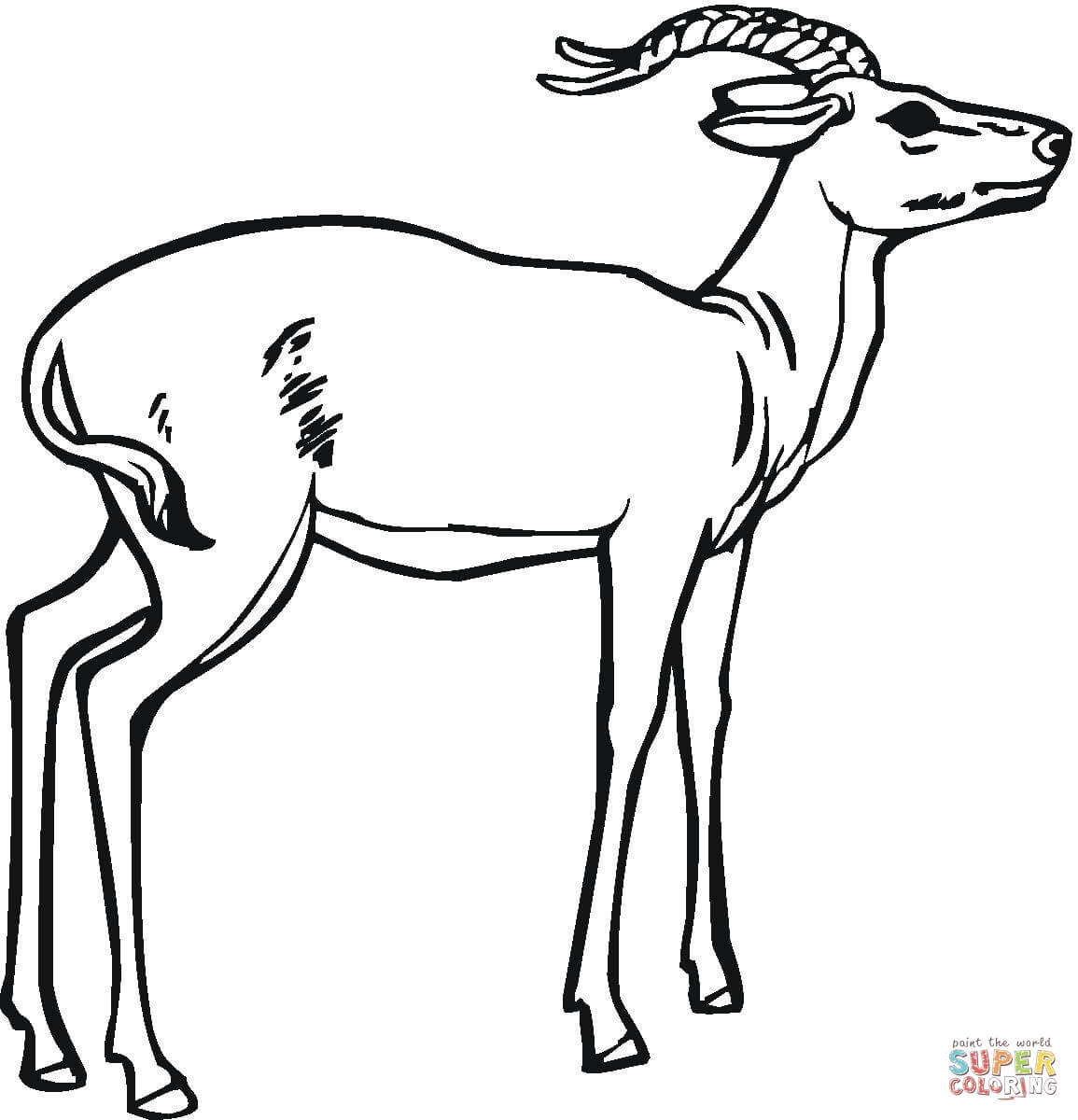
Antelope Coloring Pages - Preschool and Kindergarten 14

Antelope Coloring Pages - Kidsuki 15
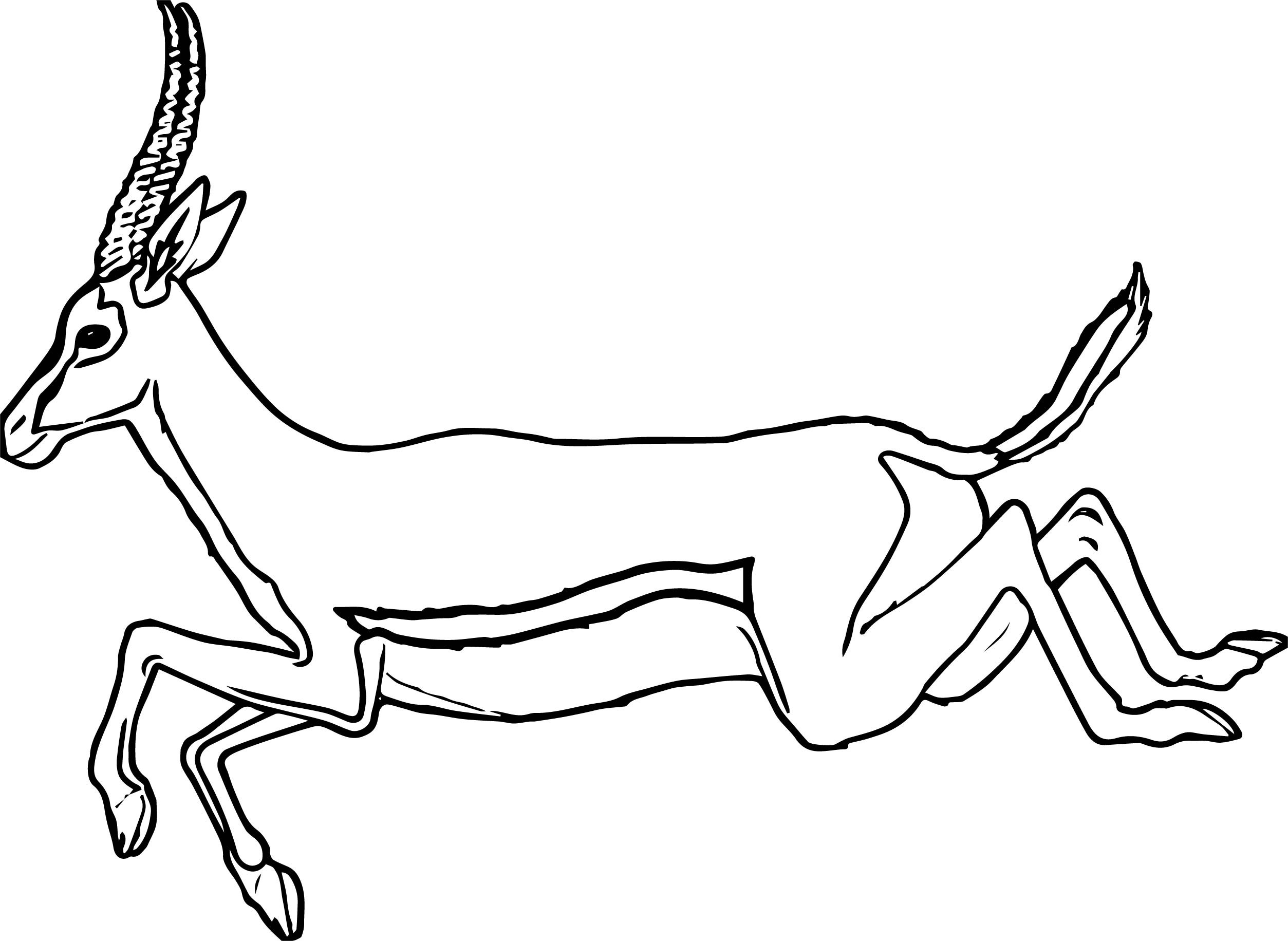
Antelope Coloring Page at GetColorings.com | Free printable colorings pages to print and color 16

African Forest Antelope Bongo coloring page | Free Printable Coloring Pages 17

Mammals Antelopes Hartebeest Coloring Pages Printable - KINDERPAGES.COM 18

Antelope coloring pages | Coloring pages to download and print 19
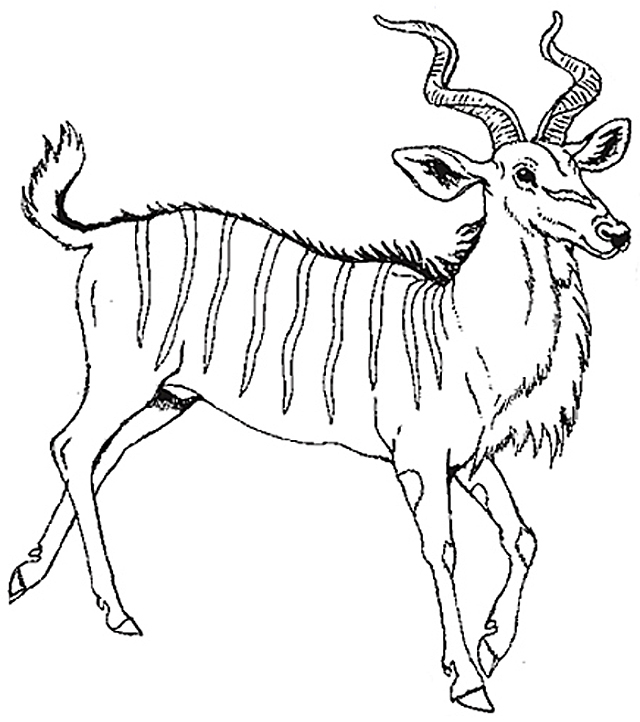
Antelope #22645 (Animals) – Printable coloring pages 20
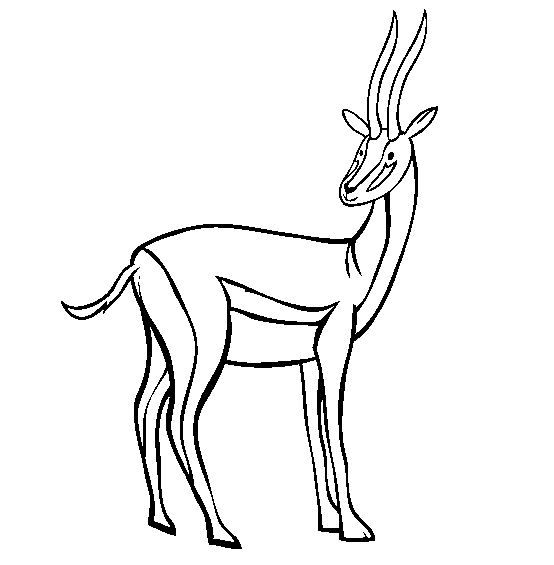
Antelope coloring page - Animals Town - animals color sheet - Antelope printable coloring 21

Eland Antelope Coloring Online | Super Coloring 22
Antelope #22637 (Animals) – Printable coloring pages 23

Uganda Kob Antelope coloring page | Free Printable Coloring Pages 24

Funny Uganda Kob Antelope coloring page | Free Printable Coloring Pages 25
Antelope (Animals) – Printable coloring pages 26
Antelope Coloring Pages 27

Free Antelope coloring pages. Download and print Antelope coloring pages 28
Antelope (Animals) – Printable coloring pages 29

Hartebeest Antelope Family coloring page | Free Printable Coloring Pages 30
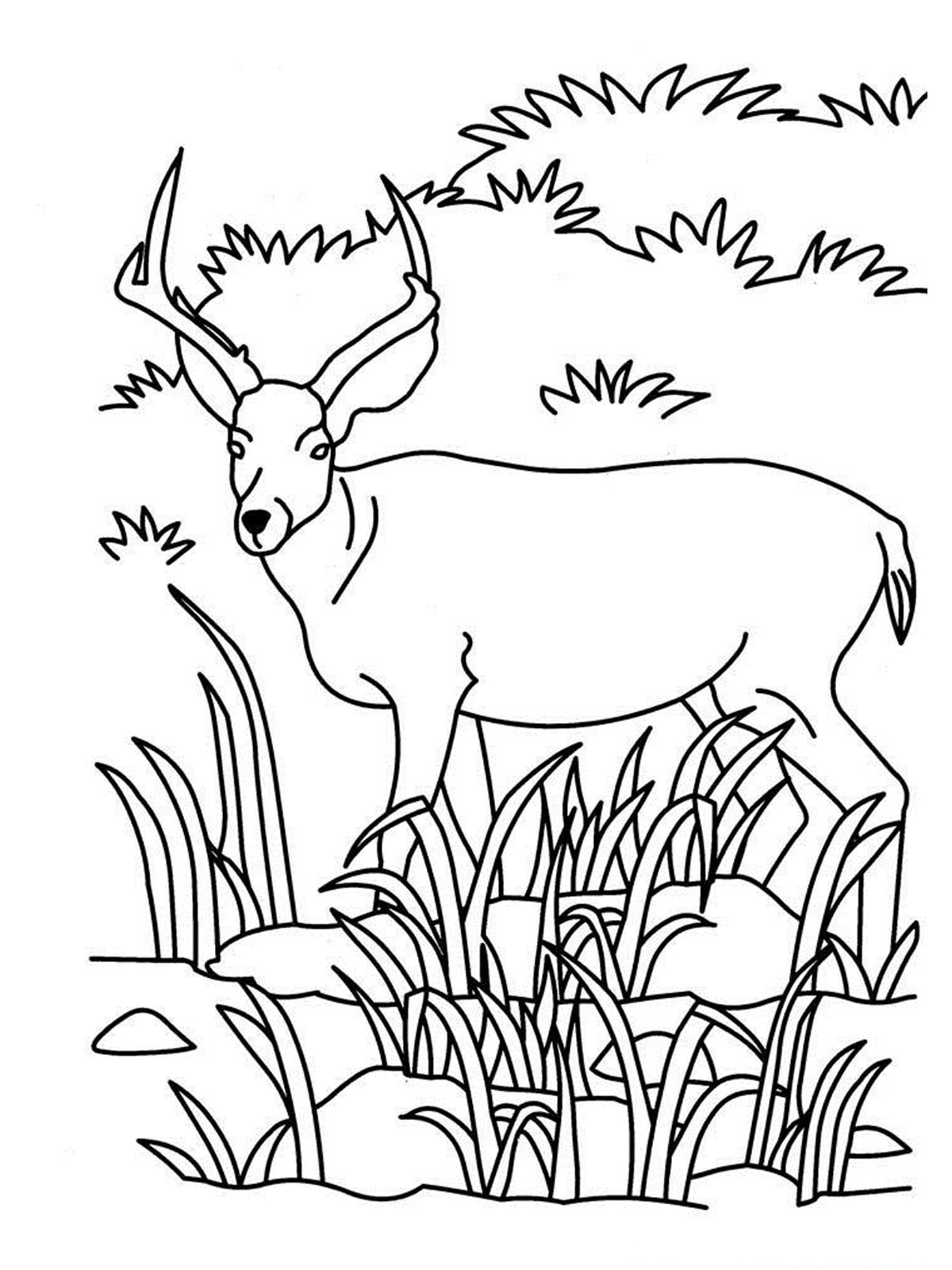
Antelope Coloring Pages - Preschool and Kindergarten 31

Kudu Antelope Coloring Page Free Printable Pages Sketch Coloring Page 32
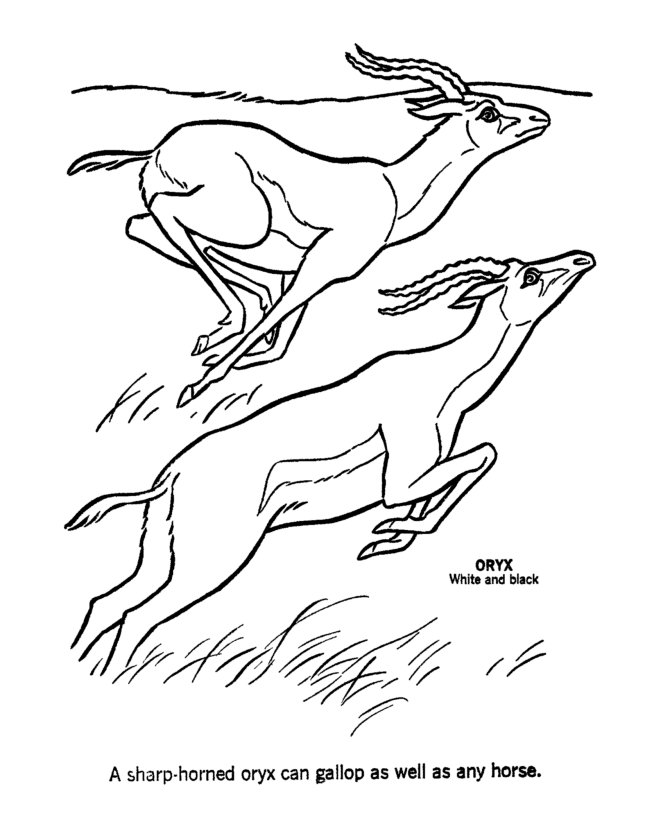
Antelope Coloring Page at GetColorings.com | Free printable colorings pages to print and color 33

Antelope Coloring Sheet | Coloring sheets, Antelope, Big animals 34
foreign, [Music], show we'll be learning from Dr Steve, Roche about Advanced color genetics, Steve is an expert within the industry, on color genetics you'll see during this, presentation there's tons of different, color combinations that are possible and, Steve makes a really practical approach, to how to identify what is in your Barn, within each one of your rabbits and how, to utilize that to have future success, for what you're wanting to have for the, color that you're looking for, Steve's man and, been breeding and showing rabbits for, more than 50 years he's an RBA judge, and Ben doing numerous talks uh, throughout for a number of decades about, this topic we're looking forward to this, discussion on Advanced color genetics, kick it off Steve, uh thank you David uh well today uh I've, just recently updated the advanced, rabbit coca-color genetics uh for the, very purpose of sharing this with rabbit, show participants so let me start by uh, and I'll give you just a momentary, background I've been an arba judge uh, this year will be my 40th year as a, judge but uh I really have always loved, the genetics part and I've got more, books from around the world on rabbit, coat color genetics than probably, anybody probably when I die they'll go, to the arpa library but let's talk about, what my assumptions are for this, particular class of your knowledge, I'd like to have an understanding for, you of basic color genetics the basic, terminologies I'm going to assume that, you know how genes are basically, transferred uh how dominant and, recessive gene action works, uh I'm assuming you know the basic uh, five Gene pairs or ten genes that govern, coca-color genetics although there are, another uh 12 to 14 pairs and then, understand this please clearly, everything we're going to say today is, theoretical it's likely we've all, accepted it and we've all bred literally, hundreds of thousands Prime Millions, amongst us of rabbits and we've, validated most of this but in the base, scheme of things I don't know if anybody, that's ever done any electron microscope, work to validate what we've got here so, we're saying it's theoretical but in the, big scheme of things we're pretty sure, it's right all right in the next hour, I'd like to address a number of things, and I'm not going to get, into deep in the weeds with a lot of a, lot of uh genetic words I assume you've, got the basic knowledge so I've already, talked about my assumptions of what you, should know, I'm going to talk about black, and black is not black the genetic, variations can occur there white, and all the genetic variations that can, occur there I'm going to talk briefly, about the Vanna genes red and all the, genetic variations are that can create, red, the English genes meaning the ones that, we call English spot genes but they're, used uh for any broken, so just accept that that's the broken, genes actually and then there are three, Dutch genes that's pretty much, conventional wisdom that we accept, I'm actually going to talk about for a, moment about when the two of those, interact, I'm going to talk about the steel Gene, it's pretty straightforward although a, lot of people seem to be confused by it, I'm going to talk about the C Series a, little bit uh more in length because the, dominance hierarchy is unusual there and, most people think it's dominant and, recessive and it's certainly not, I'm also going to address wide band and, Rufus modifiers and what they do, I'm going to give you a master table, although to be honest it's on a slide if, you can print this out then you could, use the master table otherwise uh uh, it's not going to be as used to you but, I'm going to show you that they do exist, and they're out on the internet there's, 144 of the most common phenotypes and, genotypes, and let's just stop real quick and say, you know phenotypes are what you see and, genotypes are what go together to make, up that phenotype so remember we're, going to be talking about what's behind, the scenes as well as what's in front of, you and then I'm going to talk about a, gene separator what it is why you need, it why many Europeans use it in their, rabbit breeding and why we have uh, people uh that raise rabbits in the, United States for some reason don't use, it I used one for years so I knew what, the gene makeup of my rabbits were it, sounds like a very expensive uh piece of, equipment it's not a piece of equipment, but I'll explain that to you later and, then at the end I'm going to give you a, real thumbnail sketch on probability and, statistics how to calculate the, phenotypes in other words what are we, going to see if we breed these two, rabbits together and then calculating, the genotypes, so black let's talk about black for a, second, I want to get your attention with this, one so that's why I'm starting with this, one, I'm going to give you a list of five, rabbits here that have genotypes now, they're all basically let's assume that, as a person who's evaluating rabbits you, get five blacks on the table, now they may look like a rich black they, may look like a poor black but they're, black and I'm guessing that for most, people they would not be disqualified, showing in a shell, so let's go with the first one there's a, rabbit in front of you it's weak black, and for me that means it probably has no, Rufus undertones and no wideband and, this would be right across the top here, this would be the genotype another, rabbit comes up and it's oh my gosh, it's beautiful it's dark you know we're, not talking about the type or the fur, we're just talking about the color but, it's probably got what I call a plus six, Rufus level and it has wide band, it's the blackest black you're going to, see another one's on the table that is a, weak black probably the weakest of, anything here as you can see by the r, question mark and I'll talk about this a, little bit later there's almost no Rufus, there's no wide band, uh it's basically not a full color, if you'll remember your C Series it's, not a full color like this up here it is, actually a, um what we would call a light Chin black, we could have a seal in there but it's a, seal that may have a lot of Rufus so, that allows it and wide band so that, allows it to actually be uh in the class, and then you have one that's actually a, seal, and I think most of us as judges know a, seal when we see it but there are some, very dark seals that look almost like a, dull black chin that could probably get, by in this class too so, I'll talk about poor phenotype color, a little bit later when I talk about, Rufus and wide bed but understand in, this class of blacks you could have all, these genotypes and they'd probably, still be acceptable now, I want to make a point here and I want, you to remember this at every slide, all rabbits always have all these Gene, pairs that I'm going to be talking about, whether they are visible or not, see his little guy well this little guy, understand even though he looks like, just a black solid rabbit, these chances are he will have this, string now in this case he won't be a, big a that's a goodie he would be two, little A's but regardless of that what, I'm saying is these are all the possible, Jean pairs, that he could have in him and yes he, would have a place for the viennas a, place for the silvers a place for the, broken's a place for the Dutch a place, for Rufus, all of these are in every rabbit but, many of them will never be, exposed to your vision, let's talk about red-eyed White, what color is it well the phenotype is, white, we all are very comfortable with this, what is its genotype color, now blacks to my way of thinking even, though that explanation I just gave you, are not complex, whites are super complex, because whites, what can't they be and what will they, not be will understand that, it won't Express the genes it won't look, like it because because I think you're, all aware those two little C's here in, these genotypes erase all color I'm, going to talk about that a little bit, later too the pattern can be solid, the pattern can be a tan pattern the, pattern can be a goodie the pattern can, actually be broken, I mean I actually had a white years ago, that I knew was a broken, because when I would breed her to, another solid rabbit I would get broken, out of it so so in the base scheme of, things understand that a white, can be, all of these patterns, a white can be black, or it can be chocolate these are, genotypes not phenotypes obviously, a white well it won't express it can be, intense or it can be dilute, a point that I think you might find, interesting uh some of some of my fellow, judges and I talked about this a good, bit understand and this is an aside from, the color piece when a white rabbit has, a very fine texture to its coat it's, fair to assume that that rabbit may, actually be a dilute a blue or a lilac, because the loot rabbits always have a, finer hair shaft than do the intense, and that results in a softer coat so any, White Rabbit that you you touch notice, that I have a blue a chocolate and a uh, and a black here, the the dilute animals have a softer, texture to their coat they just do and, we as judges often in a show will allow, for the fact that the loots have a, little less texture uh and you know we, assume that that that's you know their, hair shaft and it is the darker rabbits, have a coarser texture so if you've got, a white rabbit in front of you and you, feel too one has a lot of resistance, when you're feeling for texture and the, other one has almost none you might want, to guess that that white rabbit that has, almost none could likely be an actual, genetic dilute, also while it won't express it the white, can carry tort it can carry Harlequin it, can even carry Dutch, and they can be some of these but you're, never going to see it because as I show, up here in these genotypes the two, little recessive seeds have erased, everything, okay, it can also be broken, Steel, silver it can even be a Charlie broken, it can be all these things that I've got, here in the genotypes so whites can be, darn near everything but what can it not, be ever, a white can never be, a chin, a white can never be a seal, a white can never be, a Hemi or California, a white cannot be those why because, these C Series genes, are above the two recessive C's that you, see here that make the white the white, I hope you're keeping up with this, basically what I'm saying is that we, cannot have anything in the C Series, there's no full color there's no hard, chin there's no soft chin there's no, there's no Sable there's it can't be any, of those things because you have these, two c placeholders that are recessive, okay and I'll get to this when I talk, about the idiosyncrasies and the C, Series, so, we've always heard haven't we that if, you bring white to white you're going to, get white, is that true well it is true if you're, dealing with red-eyed whites, but we also know there's a white out, there called a blue-eyed White, a blue light white is called by, something we know as the Vienna Gene, it's a strange Gene action it usually, has no effect if it's homozygous, dominant of Mosaic is dominant simply, means that it is uh not going to impact, the color and most remember all rabbits, have this place but most of them are the, big capital V capital V however when the, homozygous pair is there uh heterozygous, pair is there meaning it's a large fee, and a small fee you actually get, uh the beautiful blue-eyed white that we, want, but the presence of the I mean, let me back up the presence of the, homozygous Gene the recessive V's in the, Vienna creates a blue-eyed White, if it's uh if it's a heterozygous pair, it creates a broken and I actually found, online this picture, of uh broken it doesn't look like many, brokens that you see and I'm pretty sure, we can count on the fact that this was a, result, of a Vienna in other words a blue-eyed, white being crossed to some other uh, rabbit, now what if we cross a blue-eyed white, to a red-eyed White, let's take your time and think about, this both are genetic goodies I'm making, that assumption, because of an explanation point so what, are we saying but we're saying that, basically if I cross a blue-eyed white, to a red-eyed White, we're focusing not on the recessive C, Gene we're focusing on the V Energy, remember a red-eyed white is going to, have the two big V's, a blue-eyed white is going to have the, two little V's which means that the, red-eyed white can only offer a big, the blue eyed white can only offer a, small V so Genetically speaking if you, cross a blue eyed white to a red-eyed, white what are you probably going to get, what's what I just explained right here, it is you're broken, so white to white in this case is going, to end up with broken's, red, all right first of all I've researched, and researched to find you a nice range, of pictures having to do with red, red can be almost orange red can be deep, deep almost mahogany or a lot of colors, in between, how do we make red well there are some, people who have you believe that there's, only one way there are many many ways, red can be less red can be deep red we, start and most people if you get Reds on, the table that are not extremely uh, deep it's probably going to be just a, regular a goody rabbit but it has the, two non-extension genes non-excension, genes erase those Rings the agoody Rings, and so it appears to be, red we want to make it better instead of, using a black based, rabbit use a chocolate-based rabbit if, you want to do even better to get the, red out find one that not only has it on, extension and the chocolate but it has, wide band, if you want to go further than that to, make a really awesome red then you find, them that have a heavy duty Rufus out at, about the sixth level, so, uh I have done a lot of experimenting, over the years, and what I have breeding and breeding, and breeding and what I have found is, that you can actually make a red out of, a tan pattern rabbit what you have to, have is the non-extension gene the White, Band Gene and heavy Rufus, uh I uh have talked to some trianta, breeders and I am not sure uh that they, are convinced that it's in a goody, non-extension uh I believe when we first, came to this country and I think, trianthus may be this way uh they could, be easily a tan pattern given the higher, Rufus that they've got, so uh let me say that that, there are so many opportunities to make, a good red that you need to ask yourself, do I want to get into Reds and if I do, how can I find extra Rufus Factor what, breeds can I or what colors can I breed, together that can give me this great, combination, of, uh chocolate base, non-extension wide band and high Rufus, broken Gene transmission odds I think, probably half the folks out there, understand, uh the very simple transmission that, happens with brokens now I'm using as an, example here English spots, and I've got a Punnett Square here, because a lot of folks are comfortable, with those basically what we're saying, is that if I have, a broken rabbit, it's genetic combination is going to be, en capital E little n and little e, little n, that makes it broken, you look at these two broken down here, if I cross them together the Punnett, square is going to show me that what, have I got well in the end I've got, upper right and upper right I have got, half of them over here to your right, fifty percent will be broken, what happens is that when you cross when, you also have to come up to 100 25 of, bringing a broken to a broken are going, to be what we call Charlie, and 25 are what we call sports or solids, okay so when you breed two broken, rabbits together you can expect, now you may say I've had litters I've, broken the broken I've got 100 broken, that's that's quite possible you could, get a hundred percent Charlie but and, you could get 100 sports but actually, statistically speaking over a number of, litters this is the outcome that you'll, get, now let's talk about breeding a Charlie, out of those litters a Charlie two are, broken if that happens we end up again, here's your opponent Square we end up, with 50 like the Charlize and 50 like, broken's pretty straightforward and, again over time this is what you will, get now, let's breed the broken, [Music], to a solid in that breed what do we get, again 50 like the broken 50 like the, salad, now what a lot of smart Checker Giant, and English spot breeders do, to maximize the number of shovel rabbits, they have and this is an interesting, piece that you should know this if you, don't you'll know it now, if we cross a sport or a solid of any, breed, to a Charlie of that breed we get 100, English spots Checkered Giants, rhinelanders whatever you're looking for, here but a hundred percent because the, Charlie again, is capital e n capital e n the sport is, recessive e and recessive en so every, one of them has the same outcome now I'm, not talking about patterns uh I don't, think anybody's really done some solid, work yet on how to predict patterns of, broken rabbits but understand that, patterns follow random displays, Gene modifiers are not exactly known, nobody's done the work we get a pretty, one we just think well that's great it's, pretty if it's the standing it's, standing pattern for the English spot, the checkered giant the Rhinelander, those have gotten pretty much refined, and credit to those breeders and those, clubs who have worked on that but as far, as general brokens random is still, pretty much what we can expect, Charlie's the ones that are disqualified, it shows for not having enough markings, come in a lot of breeds, in a lot of different uh uh fur, structures but the reality is they are, mostly white they have very little bit, of black as you can see on these or, brown or blue or whatever but the point, is they come in many forms and in many, groups, I'm gonna mention Dutch, I raised Dutch for about four years back, in the uh 80s, I really enjoyed them but I did a little, bit of homework and there's not a lot of, research done so I'm going to use the, term conventional wisdom the next slide, I'm going to show you all the variations, that could come out of touch but do, understand that that for conventional, wisdom most Dutch breeders believe, understand that there are three genes, that create Dutch, that gives you six pairs of Gene, combinations so that gives you six, different possibilities now a good Dutch, can be either a d-u-d-d-u-w or a, d-u-d-d-u-w which is basically the same, thing okay I just random three and three, on here if you'll take a look, most rabbits remember I said every, rabbit carries displacement, so no effect is capital d u capital d u, you look at your, I don't care whether it's an English, spot whether it's a mini Rex whether, it's a New Zealand, all of them have a place and they carry, this d-u-g or if if they're not looking, like a Dutch they carry the d-u-d-u, solid with spots is d-u-d-u-w, and I don't expect anybody to memorize, this you can maybe write it down and, then start working with it and as you do, over time you'll you'll accept it but, for instance dud is too little white and, it's more solid, I have actually spent my time over the, last number of years going through the, internet looking for pictures that could, help people understand this, and for rabbit show people here you have, it all on one page, uh these are my guesses, but this is a d-u-d-d-u-w a good Dutch, right here not in a box, given the descriptions I'd escape on the, previous page you can see that we have, poor markings, we may have a lot of white, d-u-w-d-u-w we may have very little d u, d d u d but in the lower right we have, just a regular black rabbit why because, remember they have the DU placement, but it doesn't Express itself and this, is what 95 percent, of the rabbits out there carry, so I hope this is a little bit useful in, your introduction, I always have to enjoy the fact that, remember every rabbit has, broken genes the en the en like I showed, you on the English spot example earlier, but remember there's places for all of, these and sometimes the English or the, spotting Gene and the Dutch Gene which, are always there interact, are they broken or are they solid with a, low level of Dutch well uh as maybe a, dud see this booted lower right here, linear ex folks have a lot of issue with, this sometimes it pops up and it goes, back somewhere to somebody messing up, the Dudu Gene but if you can see these, may be broken, or they may be Dutch marked small level, Dutch mark, I went out and found some pictures for, you what could split a butterfly on a, broken rabbit well what could cause that, butterfly to be gone to be honest that, you see in in this rabbit and this, rabbit and this rabbit it could be that, the Dutch Gene remember Dutch have, erased the color right up the center of, their face right up to the point so that, the blaze as we call it picture a broken, rabbit that has both the Dutch mark, which this one right here on the right, looks like it could easily be or and the, broken those together can interact, causing the butterfly to be erased, steel is a complex Gene that folks often, have a problem understanding because, it's known to hide, now remember every rabbit has a place, for the 2E, genes and Es the steel is at the top of, the pecking order it's even more, dominant than the big a big e for full, extension, uh, it, almost always it's fully expressed in a, goodie it's rarely seen in tan patterns, when it is seen, it basically causes black ticked Garden, hairs, we see in shows where people Show Steals, oftentimes this could be in let's say, um French Lobster or some mini lops, there's other breeds that allow steel, also but guards will talk judges will, talk about gold tipped steel or white, tip Steel, there is a definite genetic difference, what is it well if you look here steel, when it's ticking is white, it caused it comes from the chinchilla, Gene the chinchilla Gene the cchd gene, which I'm going to talk about in just a, minute, changes yellow to White so if you see a, white tip steel understand that deep in, that animal there it's a chin, and uh, uh that's what the Qin Gene erases that, white, or that that yellow making it white okay, now I want to talk about the C Series, and I want you to just, just take a breath and understand that, that this is a five Gene series, the C has complete dominance at the top, end, or the Big C and the c c h d genes are, an incomplete dominance at the bottom, and I'm going to give you a couple of, examples in the next few slides to show, you that, but uh sometimes the C genes will modify, so I'm going to give you some examples I, find the C Gene about as fascinating of, the C Series about as fascinating as any, because remember the action of this, series in the middle and in the end is, intended to remove color, yellow is a basic color for rabbit coats, and some are more and some are less, yellow as the phenotypes drastically, show us let's get into the C Series for, just a minute, first of all, the C Series, understand that if you have a full C, that's the most dominant, in the C Series you get rabbits like you, see here full color maybe a full color, dilute like this lilac it may be full, color with all the tan it may be full, color a goodie but the point is that, yellow is pretty much there and the full, C the large C the most dominant gene in, this series doesn't change any yellow at, all, okay let's go to the next one the most, dominant is the chinchilla Gene the dark, chin we have C CHD which is dark and c c, h l which is light so the dark, chinchilla Gene removes all yellow 100, so what are you seeing here well you're, saying uh Silver Fox you're seeing uh, Magpie Harlequin remember they're in the, harlequins there's the Jack and the, magpie the is yellow or orange bands, or bars Magpie has no yellow why because, it's a chinchilla rabbit it is erased, all of the yellow, you should take a look down here uh, silver Martin, I think it's it's fairly common, knowledge that a silver Martin rabbit is, simply a standard chin with a tan, pattern, if you want to have a nice two breed, combination to show in different places, enjoy it by having both the uh, uh, standard chin to show, the black, silver Martin to show or crossing those, together based upon how closely bred, they are they'll have both, the yellow level, well the yellow level uh, at the C Series next one we have is the, cchl the light chin it removes some, yellow leaves some black or brown, so what we're looking at is the Black, versus the seal you can see the seal, here seal here basically has very little, uh of the intense black so the cchl the, light chin simply removes some yellow, but not all yellow which is why a black, rabbit which has no yellow removed looks, so intense but yet the seal, uh, is uh got some yellow left in it that's, why it looks that way let's go to the uh, CH Gene the CH Gene, which is the fourth in the series is, what we call the Himalayan Gene this is, the Hemi Gene it removes all color, except on the eyes, uh all color including the Eyes giving, them a pink eye but the extremities, the feet the nose the ears the tail, retain color, I think it's an important thing to note, too just uh as an add-on is that as, judges we know that these that you see, on the top two here the Himalayan and, the Californian notice they have high, uh what we call nose smut they have good, intense ear bases they have very long, color on their front and back legs, we know these are chch this is the most, perfect explanation but when we cross, and judges know this when we cross, a white to a Hemi the resulting animal, is a CHC, and that always results in abbreviated, nose markings an abbreviated foot, markings I'm going to talk about this, again in a second I'll give you some, more examples, okay at the bottom we have the CC, when you have a two recessive C genes at, the very bottom of the hierarchy in the, C Series this is called an eraser it, removes alt color from all areas, including the eyes, it has the recessive gene only being, visible, when in the homozygous pairing of CC the, reason I started out this presentation, talking about whites was so that you, could understand that, the Eraser that we're talking about that, erases all color, hides so much of the genetics, whether it's a Angora whether it's an, early dwarf but there it's a white New, Zealand they all are that color white, because of their recessive sieging, some anomalies in this series I said, that they were incompletely dominant, toward the bottom of the series let's, start with the cchl the light chin, all right the light chin or seal Gene uh, is not real strong as a matter of fact, when you see a seal it's got to be a c c, h l c c h o, if we cross a seal, with either a white or a Californian we, then will get Sables, Sable breeders know this the American, Sable Club I wrote an article for them, on their genetics five or six years ago, uh one of the things that we have to, understand is that they are going to get, just as the English spot checkered giant, Rylander folks said they are going to, always have offspring that come across, uh in mixed colors, I hope this will help if you breed a, sable to a sable, you're going to end up with 50 Sable 25, seal and 25 White, if you breed a seal, to a sable you're going to get 50 seal, and 50 stable but just like as we talked, about in that anomaly with the E and, genes if you were to cross, a seal with a white you get one hundred, percent American Stables 100 guaranteed, now uh I hope that I hope that wasn't, confusing uh but those breeders that, raise Sables say spot on thumbs up, if you breed again I'm going back to my, point now, about good marked Californians and good, marked himalayans, and himalayans are almost pure but, Californian breed has been so uh inbred, with new zealands that I want to, reiterate this point the Hemi Gene is, weak the CH Gene is weak and it's, incompletely dominant, this one on the left is an absolutely, beautiful Californian and I know, guarantee you it is c-h-c-h if we cross, it with a New Zealand, Offspring end up looking like this on, the right, you see that the noses are abbreviated, the foot coloring is abbreviated these, do not go up if you look on the left, these are chch Californians see how the, nose goes way up, how the ear bases are clean if we could, see the feet here but we can see them, down here all the way down to the ankle, on the back all the way up to the ankle, on the front these are chch, too many California breeders have not, concentrated on these markings because, Titan has so much points but understand, that we judges always know, you bring these to the table you have, been Crossing with New Zealand, I want to talk about wideband for a, minute, it's most evident in Belgian hairs, the Flemish, and tan breeds where there's no under, color on the belly, wideband genes uh basically what they do, is they allow deeper colors to be more, visible, in other words if you don't have the uh, chinchilla jeans in there White Band, allows yellow to show even more, vibrantly, completely dominant, if it is if it is homozygous or if it is, heterozygous the animal will have a, normal bandwidth, the bandwidth will get wider on a gooty, animal, if you have the White Band Gene which is, recessive which is uh excuse me which is, basically when you blow into a fur and I, apologize for not having some pictures I, should have but basically when you blow, into the coat of an agouti if the center, if the the band is wider, you can look at it and see that that the, the center band rather than being maybe, a quarter of an inch is wider I can, guarantee you when I blow into the coat, of an agoody animal and I see wide band, I know when I flip it over the belly is, going to have no under color none, so let's talk about Rufus for a minute, this is additive genetics I spent, probably 15 years working with, developing a tan color animal and I, worked with the Rufus modifiers, constantly, the assumption is that they are, basically six slots that take up the, Rufus coloration, they're they can be really really deeply, yellow deeply intense deeply Rufus and, that will be a six plus, there can almost always there can be, none which means there's almost no Rufus, and those are minuses but I want to, remind remind you is that the Rufus, modification, intensifies the yellow that underlies, black or chocolate hair shafts and this, impacts the dark colors if we recall, when I was talking about blacks I was, talking about a r plus six, that intensifies the yellow which, intensifies the black, this is a chart that and I'm not going, to apologize for it I think if you've, got this presentation you might be able, to print out some of these uh the, concept is that, we can split these six Rufus if there, are six places parent one can be very, light, and they can only contribute three, remember that any rabbit can only, offer half of what they have at the gene, pair or in this case since there are six, places they can only offer three that's, the way genetics works so a very light, apparent might only have uh three pluses, and three minuses but in any case that, parent could offer randomly, to medium Rufus might be three plus, three minus they could offer all three, very light they could offer one with, only one plus two plus or three plus so, you see there are four opportunities, here if you look at parent two and go, down the left, you will see exactly the same, combination now when we combine these if, if a parent that has the Rufus genes, that are three minus, and the other parent also adds three, minus you're going to get a six minus, rabbit no Rufus impact whatsoever, as the role of the dice occurs I've got, different combinations in here and you, can see that toward the middle you can, hit light medium, which uh we went with the parent being, that but there's the chance that the, dark plus and the dark plus will give, you a very dark rabbit Now understand, this completely this is why we have, reached the point with tan rabbits with, with certainly Belgian hairs where the, parents are almost guaranteed to be six, plus, each parent is six plus even when they, split their genes the only thing they, can offer is three pluses from each side, which means as you continue to breed, your dark roofist animals, you select the darkest against the, darkest and ultimately all you're going, to get is dark there are no minus, holding places there this is an example, you can see the Deep Rufus you can see, the very deep that I had developed on, this mayor x here these are mini Rex, also that had the very six plus this is, the dilute, that had uh the six plus and this is a, very nice looking uh tan rabbit that has, that has so much Rufus it almost looks, red anyway these are the outcomes that, you can get once you get to the six plus, six plus level four Rufus, I am offering a master list on the next, slide, it's not going to be legible unless you, print it out and take a look at it but, it does not assign any first structure, it doesn't mention steel jeans spotting, genes Harlequin jeans silver and jeans, White Band jeans uh but this is a chart, now again, I only show this because you can find, this on the internet, I don't have a particular site but many, excellent uh knowledgeable people that, understand rabbit genetics uh have, gotten this I actually found it on a, European site first but uh and again I, don't want to be Leaguer this point but, there are the genotypes over here for, all of the colors that you see on the, left which might help you if you're a, beginner, I want to talk about Gene separators and, this is something that American breeders, do very poorly but I encourage you as, somebody who's interested enough uh to, to listen to this rabbit show, presentation to understand that what, we've got here is an animal that can, help you know what the genes are in, other rabbits okay, we want to be able to predict we usually, know what the dominant genes are because, that's the way the rabbit looks the best, way to know they're recessive genes is, to breed your rabbit to a rabbit that, has a lot of recessive colored genes, here's some examples for you, a separator well first of all what is a, separator a separator is a rabbit that, has a lot of recessive genes for, instance we know little a little a is a, solid okay that is the lowest in the a, hierarchy little B little B is the, lowest that's chocolate that's the, lowest in the black brown category, we don't want to use a cc because that, would be a white so what's the next best, to use something that is looking like a, Himalayan or California we want it to be, dilute we want it to be non-extension so, what is the this is the genotype I would, love for you to have in your Gene, separator so what's the phenotype, it could be a lilac tort Hemi which is, the perfect it's hard to get but a lilac, tort isn't that hard to make or you can, find them out there that gives you this, Gene, which means you've got recessive, recessive you got the C's here but then, you've got the recessives and recessive, you breed it to anything you want in, your herd and immediately you're going, to find out because of what color, Offspring you get, what kind of gene pool likely the other, mate that this Gene separator bred to is, carrying it separates everything out in, this case uh except in E-Series so let's, look at this this is your rabbit who do, you what do you know will you assume, that let's start let's say it's a Sandia, Beauty and you breed it to your Gene, separator, if you breed it to the separator if you, get a solid or a tan, then you know the other a series Gene is, an A or an a t, if you get a chocolate remember it's, carried over here you know that the, second B series Gene is a b, small B chocolate if you get a dilute, you know that the second series, in the D placement is a dilute, and uh if you get a non-extension or a, harlequin you know that the second one, in the E Series uh exists because again, your Gene separator, helps you breed to these I had a gene, separator that was a uh lilac, uh, self that I used for years and I could, know the genes these are what lilac, torch separators look like, in all different breeds, so uh this is what you would if you have, one sitting over there and they say, what's that you can't show that maybe, not but it's worth its weight literally, uh in Gold to those of us who do our our, genetics work I'm going to talk just a, minute about probability and statistics, uh, if you already know this stuff then I, gotta ask you you know where did you, learn it because the reality is, I've spent years and years trying to, figure out what possible outcomes now, this is purely theoretical nobody's, going to do this but I want to go with a, basic review for you, how many genes are there and how many, pairs in coat color, sorry about that, uh the basic uh review how many genes, well in each series we know that the a, has three, we know that the B has two, so there's three different pairs, if we have three we know there's six, different pairs C has five so that means, we can have 15 different possible pairs, D has two so three so let's add these, let's multiply these together because, this is going to tell you basically how, many possible genotypes genotypes are, there six times three times fifteen, times three times ten from over here, we end up with 8 100 possible genotypes, that's just for these five series, if there's anyone possible genotypes how, many different phenotypes are there, uh and here's an aside before I go to, that next one if you combine with the, other five series yields over three, almost four million different genotypes, now how many possible phenotypes, phenotype is what you see, okay, the a series, as three, again B Series has two just like we, talked about before dilution has two, extension has four so what do we have, well what we have is three times two, times five times two times four equals, 240 different appearing rabbits so, there's 240 phenotypes and again that's, just for these basic ones now we did say, 81 genotypes and 240 phenotypes right, okay genes are only uh why are there, fewer phenotypes well they're only, available in pairs and again you know, the dominant gene generally takes care, of the uh, of the appearance of the animal, so what's the phenotype of these two, genotypes well if you look at these two, you say well look they're different, there they're different there they're, different there they're different there, they're different there wow, what are they well in the biggest scheme, of things they are all black otters both, of these are black otters because you, have the tan pattern, you have the black, you have the full color, you have the intense and you have the, non-extension they simply end up being, black otters, okay, the recessives have disappeared even, though the genotypes are totally, different the phenotype is the same, so, mathematically when we're trying to, combine these we don't know when we, cross to a goody, how many of what do we get, well we probably haven't used a gene, separator to test these so we don't know, see there's question marks next to all, these how many of this is there well, once you do know the exact I mean exact, combination uh of genes that are there, you can actually calculate it now this, is just a Scholastic exercise for fun, I went across to Castor agoody the, whatever color you want to call like, Chestnut if you're a dwarf person but, you cross these two and what I'm saying, is that to get this Castor agoody let's, pretend we cross the chin with a lilac, tort, we still ended up with a cast or a, goodie but my gosh look at this strength, on the other one I pretended I crossed, the links to a white which was actually, a black otter, and so what did I get here there's the, genotype there's a genotype and The, Offspring carried this so these are the, two I want to use, where the Apostle comes when Crossing, these two what would appear to you to be, just a goody animals, well, if we break the groups into what's, possible, we know that there are a goody and tan, we've looked at it and said do you know, there's black and chocolate full color, in chin intense Antelope an extension, and non-extension so you simply multiply, two times two times two times two times, two and we end up with 32., so there's 32 distinct phenotypes, by Crossing these two animals, how many different genotypes would that, be well the truth is going back to my, math process and I don't want to bore, you by going through details you, multiply 4 times 3 times 4 times 3 times, 3, 432 genotypes, so 32 phenotypes 432 genotypes, some of you like using Punnett squares, so using that I have set this up to show, you that the a series, shows there are going to be 75 percent, of goody and 25 tan they're going to be, on the B series 75 black and 25, chocolate, etc etc etc I don't want you yawning so, stay with me I have done the math, I have done the math for all of these I, know they're right because I end up with, 100 down here at the bottom and these, are the 32 different, phenotypes that I ended up with I'm just, showing you this is possible, I I want to turn you into statisticians, but uh it was a fun exercise for me and, I think what it does is explain why we, can have 32 phenotypes but over 400, genotypes so how do we do it our, predicting well uh I put all of that, here we have 75 percent of Duty 75 black, and across the board everything I said, to you that we would end up getting, trust me you've got this now you can, take your time and look through it but, uh we validated ourselves so understand, that our genetics presentation is about, done now what we've done is it did not, address issues such as modifiers except, for Rufus linkage linkages to, inheritance mutations we didn't talk, about Angora for Rex for satin for, asterisks for opossum or hairless we, didn't talk about dwarfism and lethal, genes like the peanut, Max Factor in dwarfs others we didn't, talk about the silvering gene which is a, fascinating Gene we didn't talk about, heritability estimates uh and I I will, say that if you haven't read about uh, heritability estimates you ought to look, these up when I tell people that a, reproduct when they say I keep a doe, because, those out of her because she always had, big litters the odds of that being, inherited is only 10 percent, uh production traits production mean uh, number again in a letter uh only about, between 30 and 10 product traits are, highly inherited why do you think you, don't keep badly pinched commercial, animals it's because they will pass that, on to their young about 60 of the time, if you haven't done it read an article, on heritability estimates and I'm going, to end with this I think this is, gorgeous if any of you ever make it why, don't you give me a call I'd love to see, it but more importantly I don't know how, to do it I'm thinking maybe a sleepover, if we could just get these guys to work, uh that's all I've got for you I hope, that this was interesting I think this, is one of those presentations uh that, what we need to do uh is to look over, this rabbit show presentation a few, times take your time go back over it, write notes and then you can share the, wealth with everybody else and that's it, I am finished and thank you very much, thank you, okay thank you Steve yeah thank you this, is great um I have some follow-up, questions for uh what you did that the, wealth of information in this, presentation is amazing and, um, yeah if you're willing to send me the uh, PowerPoint I'll uh get it so that people, can download it especially on those, slides that are I absolutely will one of, the questions, that I have is, um, diving deeper into the like the Rufus, modifier, um I thought it was interesting how you, said you know that you could have two, parents have the three and the three, pluses, is it that they're, and it is as clean as just like that, there's the three pluses and three, minuses it's not just like in certain, slots in those six slots, like that it could be a plus minus plus, minus plus minus absolutely it doesn't, matter, in the big scheme again this is, theoretical genetics, but in the big scheme of things you know, if they're each each of and we're just, guessing six I mean it could be eight I, don't think it's as low as four but but, uh in each of these it's just a coin, toss yes no yes no yes no, which means that when you get to what I, would call, medium light, Tans for instance, with the plus three pluses and three, minuses you understand that when they, cross together, in the best of all possible worlds each, could offer three plus which means, there's six pluses in The Offspring, which means two medium whites could, actually pop you a really great one that, is so rare, but most of them are somewhere in, between there and again you know over, the years that I worked with this my God, what a range I got and of course I kept, trying to keep but this is the Dilemma, right with Rabbit Breeders I keep trying, to save the darker ones but they, generally didn't have the type or the, fur or any of the other stuff that you, wanted to have so it was kind of a coin, toss, yeah I'm not I think that's the part, that's really hard I mean you had shown, that there was four million different, color accommodations out there and, there's, a similar number I'm sure in terms of, the way that um body type and such work, and all the other issues that we're, looking for and so getting the ones that, are awesome it it is uh yeah, um, so is color genetics different between, different breeds, no I cannot I cannot I can always find a, rationale other than the genes, to account for I mean you know let's be, honest it shows all we see is you know I, mean if if it's molting badly the color, is awful, you know if it's uh been stained, you know some people don't keep their, cages as clean as others I mean I could, find lots of rationales but I think what, we're talking about holds across the, board because the way this is set up is, that it does allow for variation and and, there's so much you know I am convinced, there's there's more that we don't know, the more that we do know, I I agree with what you're saying I, think that's one of those things that's, a misconceptions conception that people, have is that well hey I have the Dutch, breed so it's totally different than, anything else or I have this breed and, it's totally different than anything, else that's not it's not it's it's just, uh every and every rabbit even if it's, black or blue it has all those other uh, um, um, letters within their, placeholders yeah placeholders yeah yeah, thank you, um, so then my final question to that is can, you breed any color rabbit to any color, rabbit, well since uh since there's no lethal, Gene sure right exactly, um, but I mean everybody's wanting to have a, purpose so I mean you're like you had, said throughout the presentation you're, doing it uh for the predictability and, for improving color within within the, breed or what your ultimate goal was, yeah well I think just having a for, instance having a basic understanding of, what you're dealing with, you know even though it's conceptual, is is going to help people do better for, instance that that whole discussion I, had on the Dutch team, again that goes back, I mean dick Bernhardt wasn't talking, about it in the 1970s when I talked to, him he was like the ultimate Dutch guy, but genetics would have been confusing, to him but he knew what he had to do but, now, the reason I I did that research on, finding all those different, Dutch looking rabbits if you will is, because they actually are out there and, it happens, now as you continue to breed good Dutch, to dud the duw the duduw solids you'll, get, you'll get pretty much consistently, marked rabbits with some aberrations but, Bernhardt told me literally I remember, way before I was ever a judge he said, look if you want to be good at Dutch he, said the first thing you got to do is, not show for two years, you get the best ones you can get and, you breed and you don't even look at the, markings you breed for type, you breed for type he said I don't care, if the blaze goes off here I don't care, if the undercut runs up I don't care if, they have tight front arms I don't care, he said you spend two years breeding and, breeding and breeding until you get, tight locked in, markings are going to come, and he didn't know about all these other, genes but he knew what to pick for but, that was the best advice I ever had, because let's be honest when we're at a, show you know there's some really good, well-marked rabbits, type sometimes they're so damn badly, pinched or low in the shoulder or, whatever you could tell these people are, picking strictly for markings but once, you lock the type in like he told me to, do then the rest of it's just calling, for markings because you've got the type, you know that's the kind of advice that, people aren't giving anymore, at least I don't hear it I agree, I agree, um I really liked how you had talked, about the that Gene separator of finding, and uh finding a rabbit to be able to, then uh breed to what you have in your, barn to know what you actually have so, your your right yeah that's that's, awesome and it totally makes sense, because then you instantly know where, you're at and and you know what that, route is going to produce and throw so, then after you've done that then then, you know you then you can create those, Punnett squares for, this size and this damn, creating this yeah but but again I I've, never talked to anybody about these the, few people I have it's just like, okay and because but the Europeans and I, read a European genetics book, 15 years ago that talked about it and I, just got hooked on it, and so I just you know made one actually, it took a couple years but, and again they're so hard to get that, boy you just better treat it nice and, keep it alive mine was a buck thank, goodness because I could use them a lot, that makes sense yeah, um so a follow-up to that, um, somebody has, um two rabbits that are black, but way back in the pedigree fourth, generation back it's a goody opal, a goody opal a goody opal, um one of the things that so my question, now is one of the things that I would, say that breeders are fearful of, sometimes is I look at the petrium they, go oh my gosh I don't want a goodie or I, don't want a chestnut or a Caster or I, don't want an opal that's way in the, background of it in that example is that, red gonna is that gonna pop up no it, can't it can't one of the things to, understand and I think this is the, biggest misunderstanding, many people have about these pedigrees, you see what the parents were but you, don't know what that whole litter looked, like so you don't know what they know, what they carry okay but let's be honest, if you've got a black you know there's, no way it's ever going to throw on a, duty because the goodies higher on the, hierarchy and it's not there but I think, it's important to understand, that people take offspring, there could be a lot of different colors, they have the same parents so the, battery looks the same, but the but the outcomes are totally, different for instance, you know I've had people say I've had, people say well you know I had a black, and a lilac or a black and a Kind of, Blue and I bread them you know and you, know I got blacks and blues so what else, did you get you know the chances are, good you could have gotten the chocolate, out of that or you could have gotten a, lilac down on what the parents carried, okay and I may have that on one pedigree, and people say well how in the world, would you get a lilac out of a black and, a chocolate well it's easy you got a, dilute gene on both sides and the black, carried a recessive, chocolate, I mean I can rationalize looking at, pedigrees what could have happened but, again when people look that far back you, know things popping up are almost not, going to happen, especially if they're higher in the in, in that particular Gene series, correct and and that's where I think, that like you said that then using your, Gene separator rabbit in the barn then, you know what that rabbit is when you, start breeding it as well I mean you can, you already have the Assumption for you, that rabbit's black so you know they can, only be on this level of the a series so, it can't produce the agouti and such, right but at the same time, um, by then breeding it to the your Gene, strap separator you know any additional, kind of or uh yeah down the line yeah, yeah, um I know that's just one of those, questions that I hear a lot, um, looking, so if I wanted to make, a, richer, blue color, how would you do that is that the, modifiers that we didn't talk about or, is that, again it comes down as simple as what, we've been doing for 100 years and, that's take the darkest blue added to, the darkest Blues obviously for instance, have you seen the blue Hollister, Hollister yeah okay that's a deep blue, okay I'm gonna guess that if we had some, kind of electron microscope it's, probably got Rufus at the five or six, level, Rufus, underlays you know some of these colors, and certainly just because it's a blue, color doesn't mean that that the Rufus, isn't there it's going to be there, the deeper colors I'm convinced are, often especially in solid rabbits like, that are often an impact of wideband, which carries the yellow further and, then the Rufus which makes it deeper but, we don't see the yellow, because the blue is on top of it, remember blue is just black it's like, the point I made about, um, about the whites that have a finer fur, being to loot in the course are for, being more than likely an intense color, well it's it has to do a lot with uh you, know the diameter of the hair shaft but, remember the even the blue still has, yellow underneath it can have Rufus just, like the black can, so it's conceptually it's kind of, difficult but you know I used to try to, explain it to kids at 4H it's like if, you take uh like just a a very thin, stick, and you paint it with a color, okay a yellow let's say and then you, paint it with the black, okay well the black has to cover up the, yellow button rabbits that just, intensifies I think the attraction that, whatever the pigments do, uh but it it it it just seems to me, there are layers, when you get to the lower part of the, c-series that yellow starts disappearing, just like the C on black, okay so you know that and I had some, good pictures I think in this, presentation to show what a real seal, looks like as opposed to a real black, and but I am convinced there are so many, bad blacks that are some of the seals, and you know again anybody said well how, it shows they'll say how do I know if, it's really a seal easy breed it to a, white what do you get Stables then it is, if you don't get any then you know it's, a bad black, super easy to check if a rabbit's a, sealed super easy, just bring it to a white if you don't, get stable then it's not a seal, those are all the questions I have well, hey I appreciate your time because I'll, email it to you I'll email you the, presentation sounds good thank you so, much Steve we'll see you you're welcome, bye-bye, [Music]
Reddit Images 32
![Upper Antelope Canyon, Page, AZ [OC] [2267x3349]](https://i.redd.it/0jdu0luo67t91.jpg)
Upper Antelope Canyon, Page, AZ [OC] [2267x3349] 0
This is a bongo, a large forest antelope native to western and central Africa. They experience sexual dimorphism where females, such as this one, have the chestnut colored hide and males have dark brown hides 1

Another SovCit incident popped up in the Antelope Valley police activities FB page 2
![Eye of the tiger | Lower Antelope Canyon, Page, Arizona [OC] [5369x3835]](https://i.redd.it/x9mkzx5y7we91.jpg)
Eye of the tiger | Lower Antelope Canyon, Page, Arizona [OC] [5369x3835] 3
![Seahorse - Lower Antelope Canyon, Page, AZ [OC] [3024x4032]](https://i.redd.it/h30fhp6cyl391.jpg)
Seahorse - Lower Antelope Canyon, Page, AZ [OC] [3024x4032] 4
![Antelope Canyon, Page, AZ, [OC], 2268 x 4032](https://i.redd.it/3h14qdk62cp91.jpg)
Antelope Canyon, Page, AZ, [OC], 2268 x 4032 5
Just finished another page of the coloring book. Page 6… I believe 6
page coloring for ch 171. 7
![Sand Falls in Antelope Canyon - Page, Arizona [OC] [2592x3888]](https://i.redd.it/khc4xqcp5bq81.jpg)
Sand Falls in Antelope Canyon - Page, Arizona [OC] [2592x3888] 8

Lower Antelope Canyon - 360 VIRTUAL WALK/HIKE - Page, AZ 9

Konomi coloring by @Shazayumart (chapter 93 cover page) 10

Antelope Canyon Page AZ 11
![[Other] who is this villain on my son’s coloring page? It’s driving me nuts!](https://i.redd.it/ihia4i1szvi91.jpg)
[Other] who is this villain on my son’s coloring page? It’s driving me nuts! 12
![[No Spoilers] Digitally colored the cover page (not the actual cover of the book itself) of the Life Is Strange coloring book](https://i.redd.it/cdncsa6chuu91.jpg)
[No Spoilers] Digitally colored the cover page (not the actual cover of the book itself) of the Life Is Strange coloring book 13

Antelope. Drawing with colored pencils. Wildebeest. Any remarks? 14
![Seahorse at Antelope Canyon Page, AZ, 1372x1832 [OC]](https://i.redd.it/g7hp077k6ec91.jpg)
Seahorse at Antelope Canyon Page, AZ, 1372x1832 [OC] 15
First page of the coloring book done! Any thoughts? 16
Randomly coloring one page of my coloring book 17
{Artwork} Finally finished working on the coloring of this mask-less Spider-Gwen. It's about 98% pencils, with 2% of it in gel pen. It's a page from Marvel's WOMEN OF POWER coloring book, w/original art by Emanuela Lupacchino from Spider-Gwen Vol 2 #6 (Cover B Variant). 18
,


Comments
Post a Comment